
Tigers, Forests, & Communities
Tigers, Forests & Communities
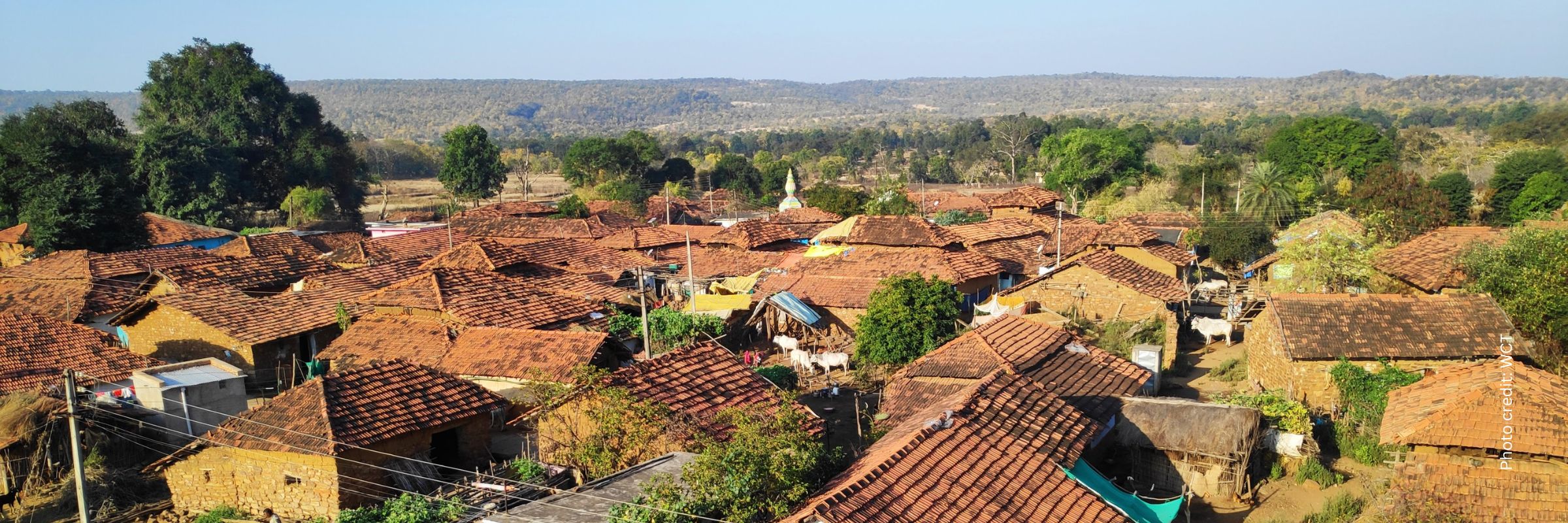
The Central Indian Landscape (CIL), spanning eight states, is a key tiger landscape. Within the CIL the forest areas in eastern Maharashtra and southern Madhya Pradesh are among the most critical tiger habitats essential for the long-term viability of tigers. These areas are crucial as the Protected Areas in these regions are connected with each other through viable corridors, facilitating tiger movement between them. Some of these corridors also harbour a resident breeding tiger population.
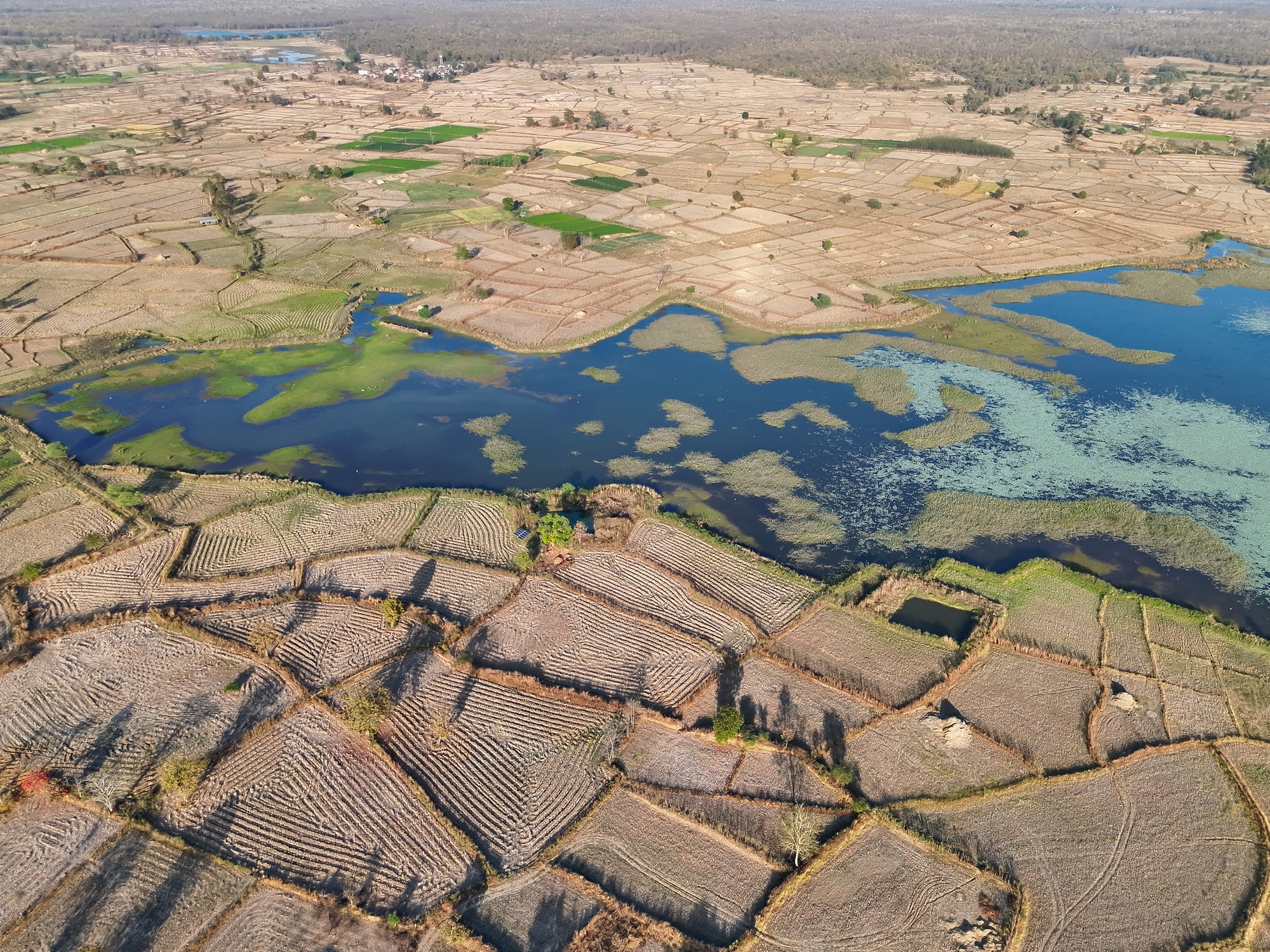
These corridors are multiple-use areas where the local communities depend on forest resources and thus have been subjected to high anthropogenic pressures. This human dependence combined with tiger presence leads to profuse interactions between communities, forests, and tigers. Negative interactions, commonly termed as conflict, can vary from a tiger being sighted inside a village to injury caused to livestock to loss of human life.
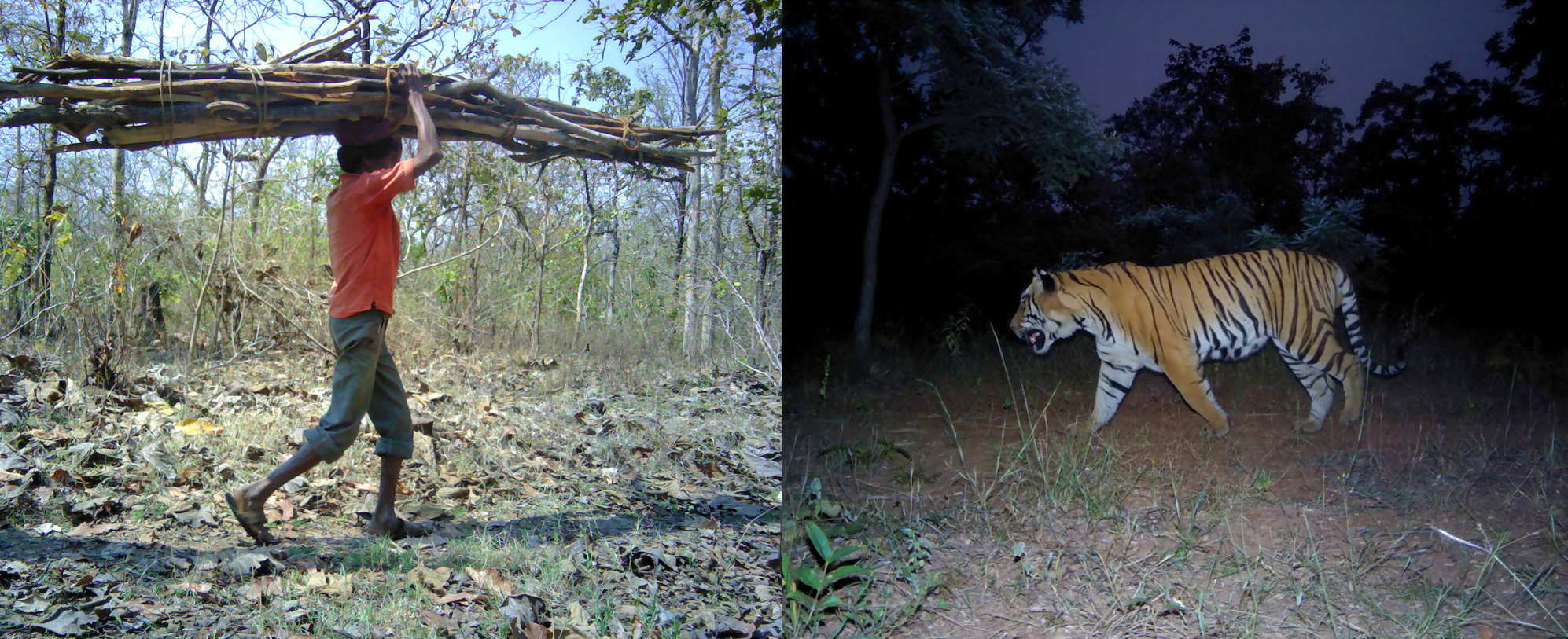
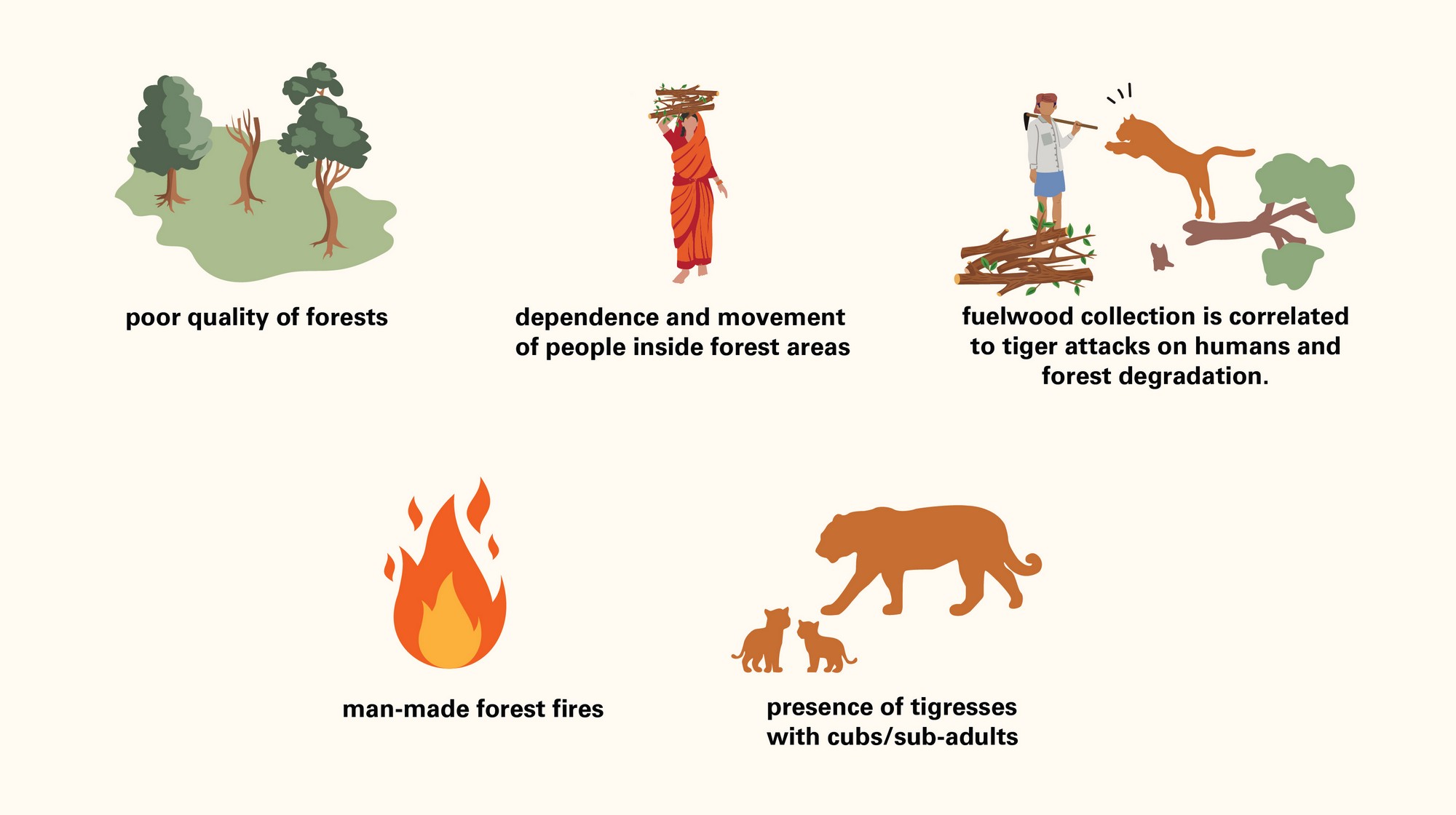
Main drivers of human-tiger conflict:
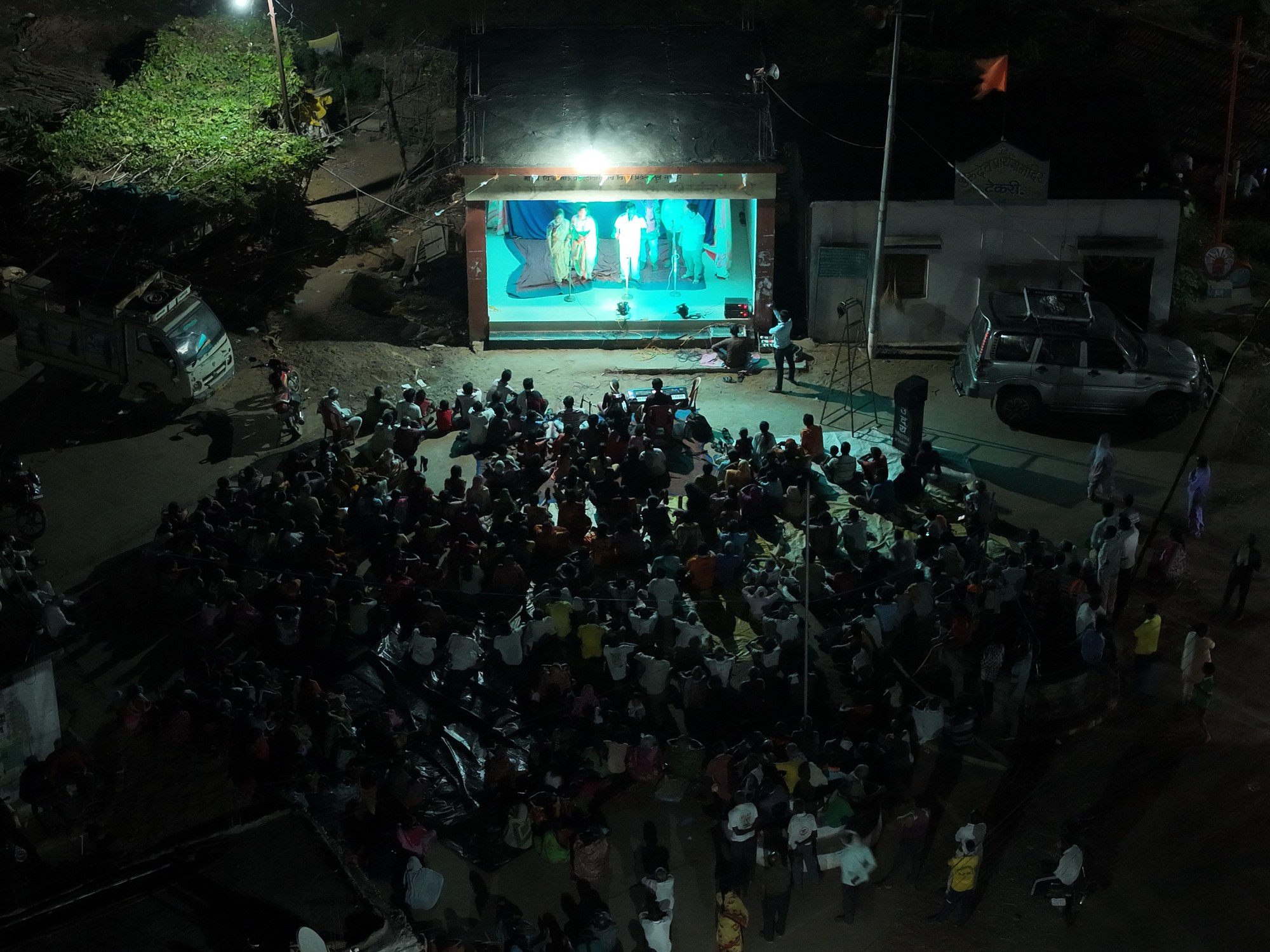
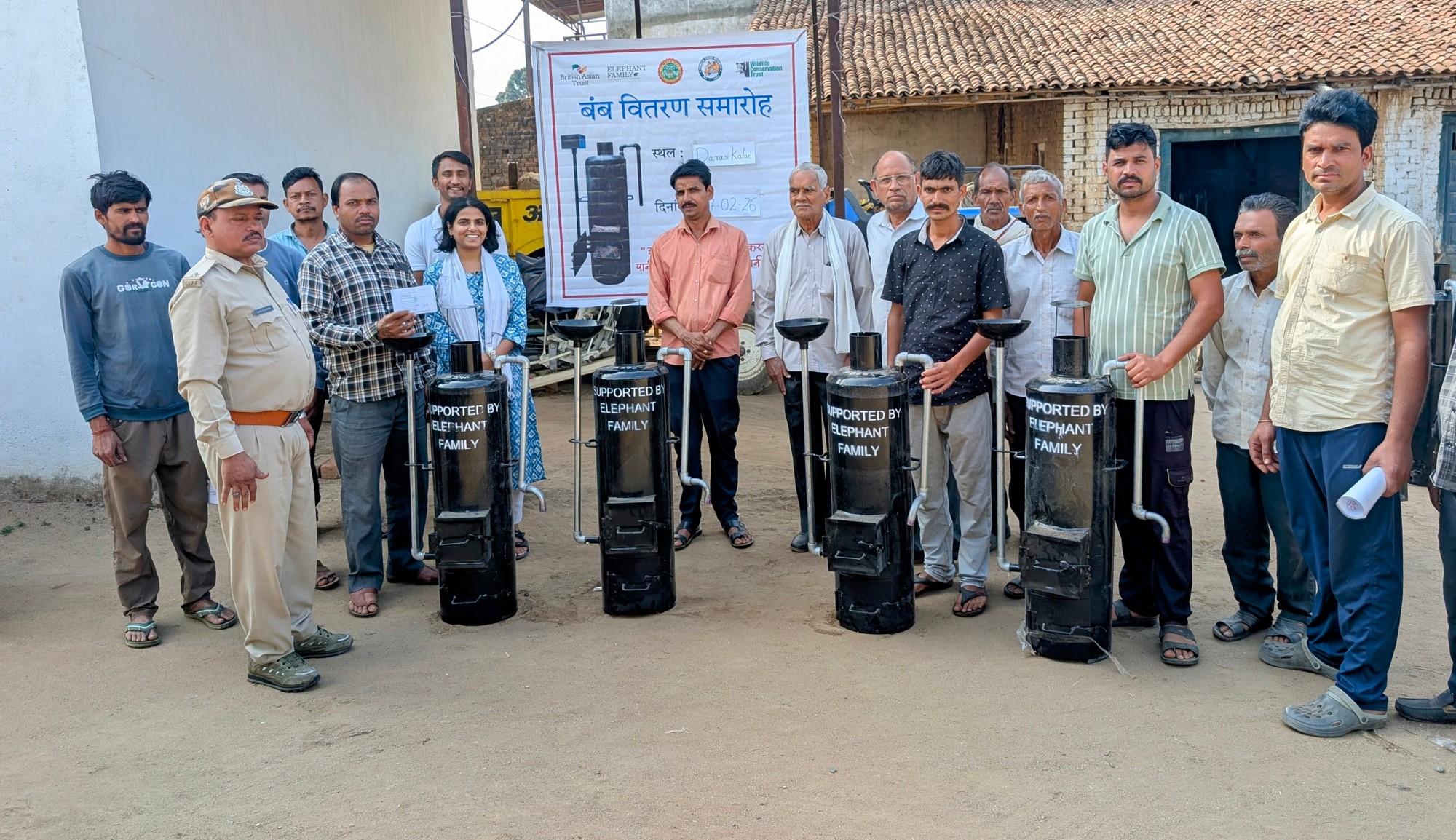
Wildlife Conservation Trust (WCT) is working towards safeguarding the tiger corridors in the CIL through an integrated approach that lays equal emphasis on both local communities and forests. WCT is currently working in the Tadoba-Umred corridor and Tadoba-Kawal corridor in Maharashtra, and the Kanha-Pench corridor in Madhya Pradesh, to identify critical villages based on tiger presence, and implement activities to reduce human dependence on the forest, thereby reducing human-large carnivore conflict and restoring tiger habitats.
Location
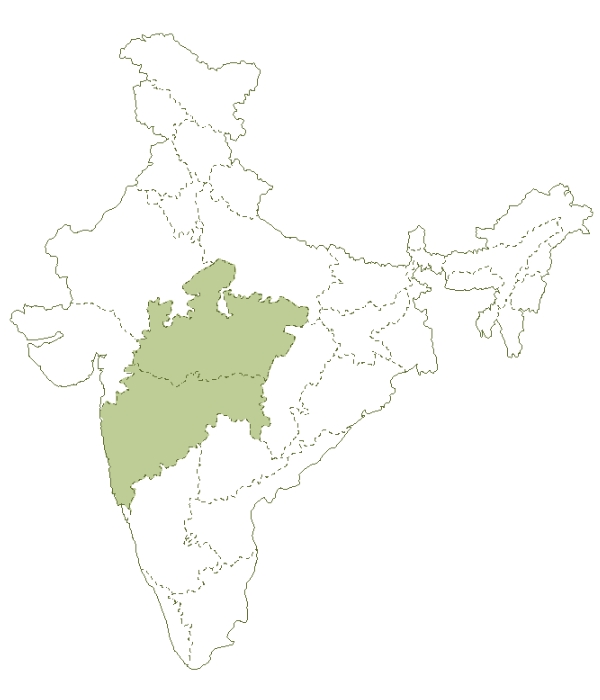
Maharashtra and Madhya Pradesh
Vision
To ensure quality habitat for tigers along with reducing the dependence of the local communities on forest resources.
Conservation Challenge
- The Central Indian Landscape, spread across eight states, is one of India’s key tiger landscapes.
- These corridors are multiple-use areas where the local communities depend on forest resources and thus have been subjected to high anthropogenic pressures.
- The forest areas in eastern Maharashtra and southern Madhya Pradesh are among the most critical tiger habitats essential for the long-term viability of tiger populations. The Protected Areas in these regions are connected to each other through viable corridors, facilitating tiger movement between them.
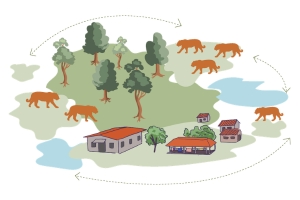
- High human dependence, combined with tiger presence in a space-and-resource-limited system, leads to profuse interactions between communities, forests, and tigers, which often escalate into conflict.
Your donations support our on-ground operations, helping us meet our conservation goals.