
Otter Ecology and Hydrology Project
Otter Ecology and Hydrology Projecty
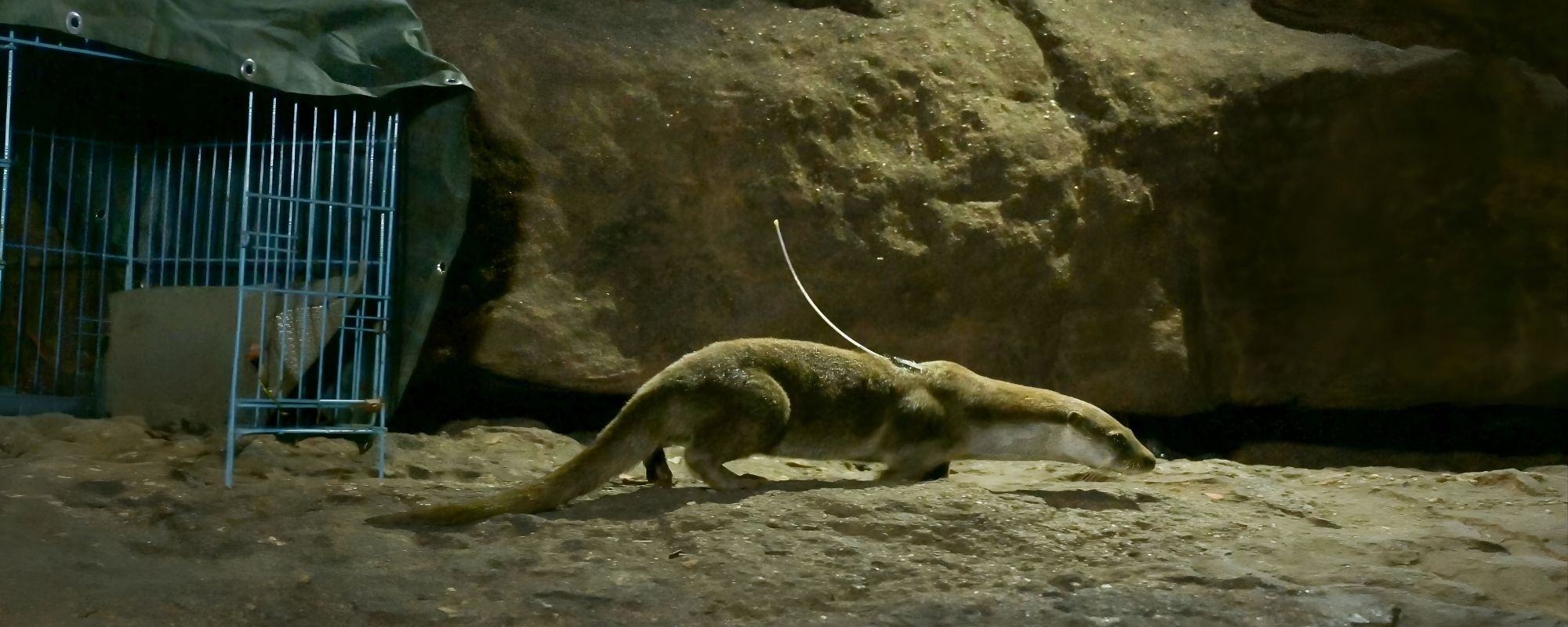
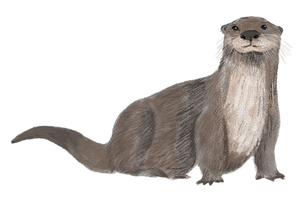
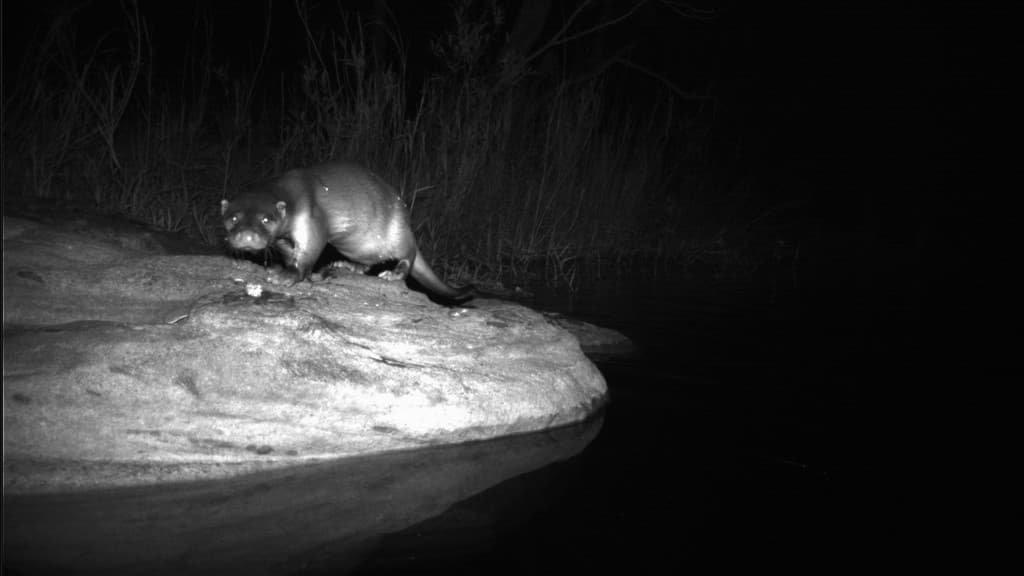
The Wildlife Conservation Trust (WCT), in collaboration with the Madhya Pradesh Forest Department, launched an initiative to evaluate the condition of rivers and streams originating within the Satpura Tiger Reserve. This project aims to explore forest hydrology in Satpura Tiger Reserve and utilise the Eurasian otter (Lutra lutra) as an indicator species for aquatic habitats throughout the region.
The primary goal is to systematically monitor both forest streams and rivers, along with species reliant on riparian ecosystems. The key objectives include:
- Understanding the current distribution of Eurasian otters and smooth-coated otters in relation to the status of perennial forest streams and water reservoirs.
- Conduct hydrological monitoring across multiple seasons and evaluate stream flow availability within forested areas of the study region.
- Formulating conservation recommendations based on ongoing hydro-ecological monitoring, identifying areas critical for freshwater wildlife conservation.
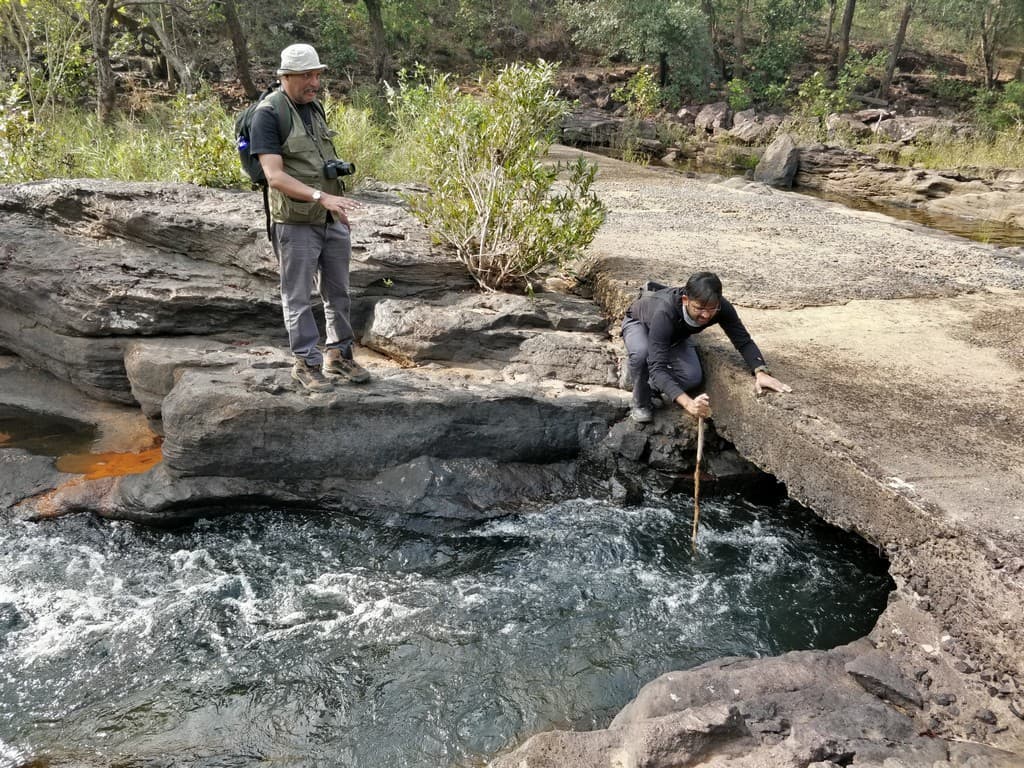
Currently, extensive multi-season surveys are underway to assess otter habitat occupancy and characteristics, with an emphasis on pinpointing ecological factors influencing their distribution across the landscape. The findings are yielding valuable insights into otter distribution and habitat requirements in the region. In addition to occupancy studies, stream flow and rainfall monitoring is also being undertaken. These data sets will contribute to understanding the influence of hydrological systems on otter habitat selection and population dynamics.
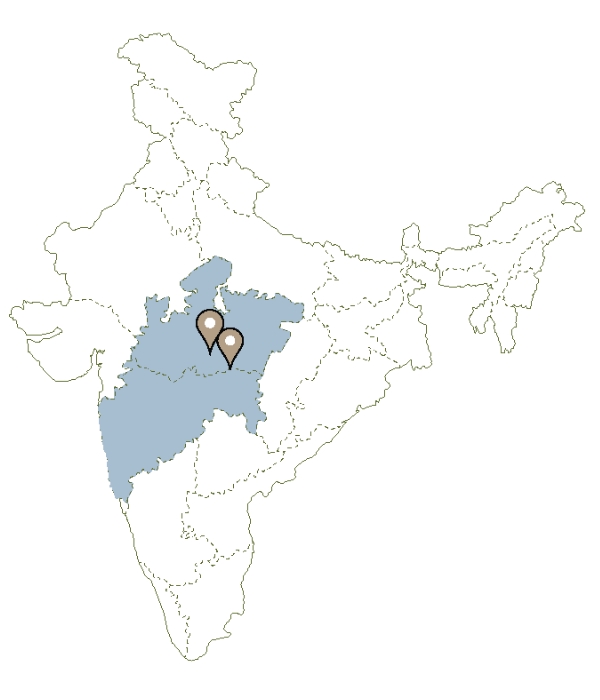
Location
Satpura and Pench Tiger Reserves, Madhya Pradesh
Vision
To effectively monitor forest streams/ rivers and otter species dependent on river ecosystems.
Conservation Challenge
1) WCT’s discovery of the Eurasian otter from the river systems in Central India highlighted the need to investigate several other lesser-known species in this landscape such as other otter species, turtles, gharial, marsh crocodile.
2) There is a critical lack of understanding of the complexities of hydrological systems of the forests and how they impact the river flow and associated wildlife in these areas.
3) It is necessary to study the hydrology of these unique ecosystems to identify key areas to focus conservation efforts in and address the complex interactions between climate, forests, water, and biodiversity.
Your donations support our on-ground operations, helping us meet our conservation goals.