

Monitoring and Understanding Vital Elephant Movements in Madhya Pradesh
Monitoring and Understanding Vital Elephant Movements in Madhya Pradesh
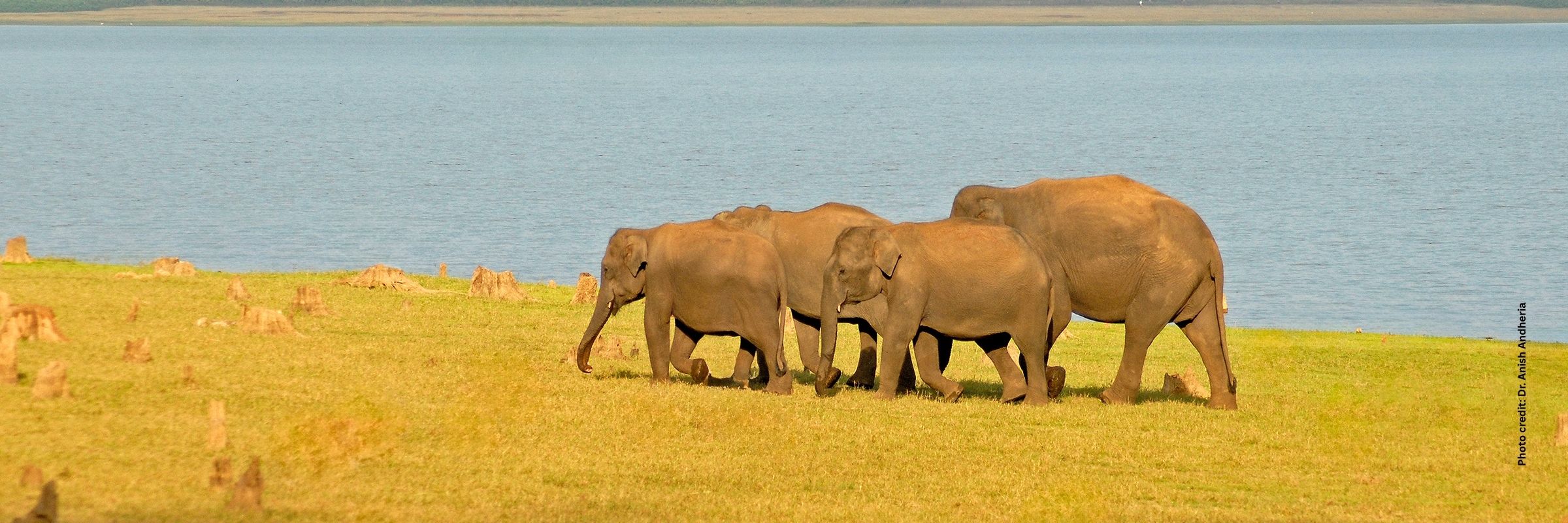
Asian elephants (Elephas maximus) are a keystone species with significant ecological and cultural importance. The species is listed as “Endangered” under the IUCN Red List and is protected under Schedule I of the Wildlife Protection Act, 1972, in India. Despite these protections, Asian elephants face threats from habitat loss, fragmentation, and human-elephant conflict (HEC). In India, where approximately 60 percent of the global Asian elephant population resides, the species faces significant challenges due to rapid urbanisation, habitat loss and infrastructure projects. These activities have led to the fragmentation of elephant habitats and populations, forcing elephants to navigate through human-dominated landscapes for food and water.
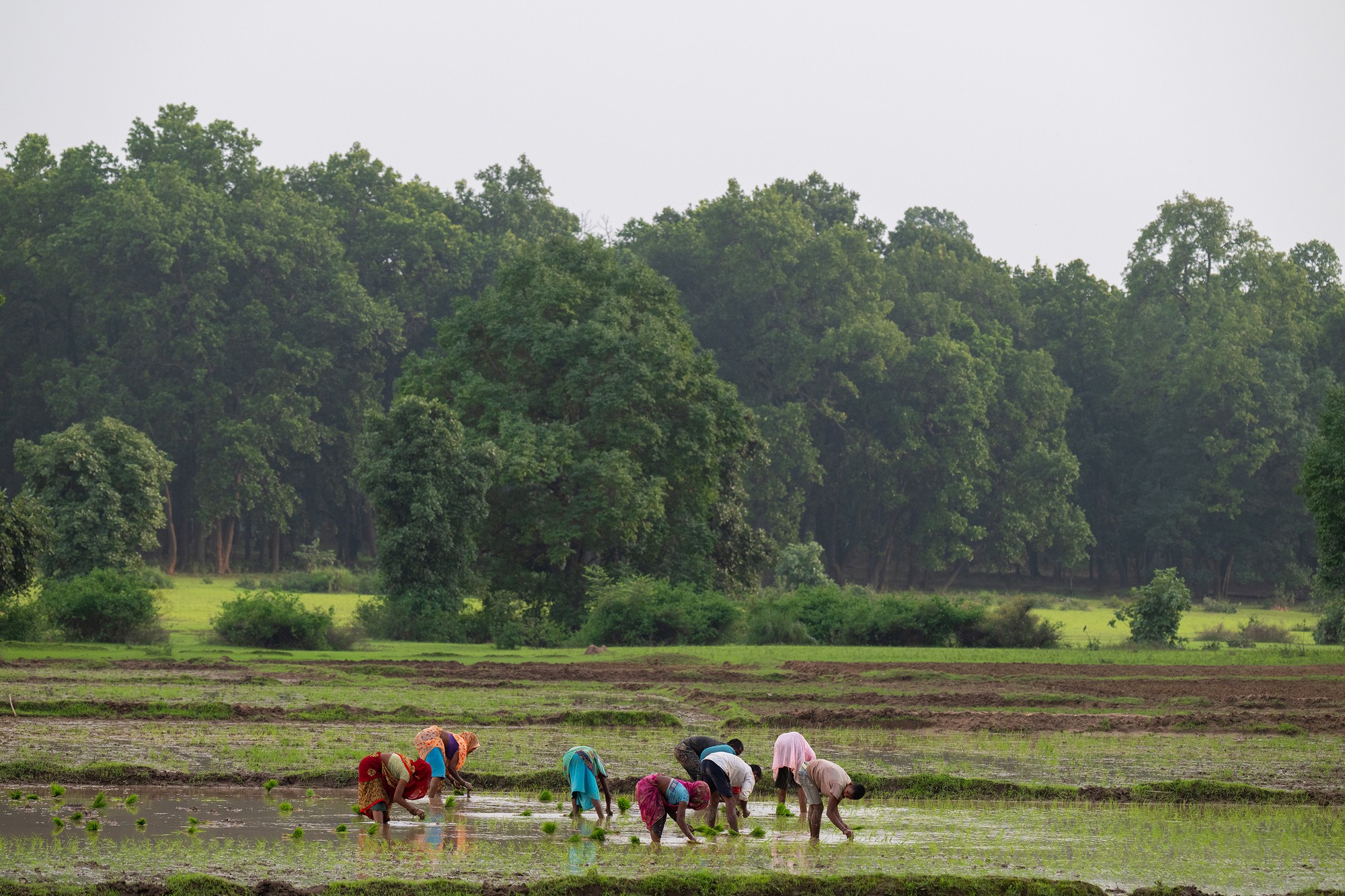
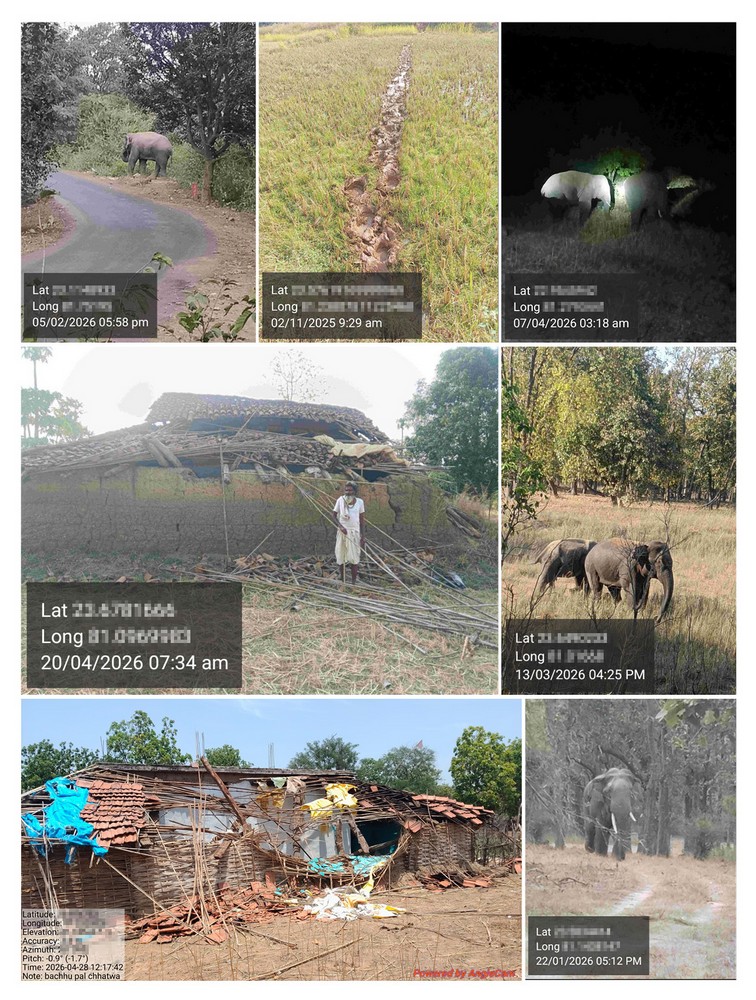
Madhya Pradesh, a central Indian state, has recently witnessed an increase in HEC, particularly in areas where elephants have begun to venture into agricultural fields. This shift is attributed to changing land-use patterns, habitat loss in neighbouring states, and the expansion of elephant populations into new areas. The state’s forests and agricultural landscapes now serve as critical refuges for these elephants, which has also led to heightened HEC. Understanding the ecological drivers of elephant movement and behaviour in this region is essential for developing effective conservation strategies. This study aims to investigate herd composition, daytime refuges, usage of agricultural fields, and movement patterns of elephants in Madhya Pradesh.
Following are the key objectives of the project:
- Development of a centralised digital platform to collect and analyse elephant movement data in real time across Madhya Pradesh.
- Establishment of a dedicated Elephant Monitoring Cell to generate predictive models and actionable intelligence.
- Field surveys to understand herd compositions, daytime refuges, and agricultural field usage.
- Deployment of satellite collars, including LoRA GPS loggers, to map fine-scale elephant movements and identify high-risk areas and corridors.
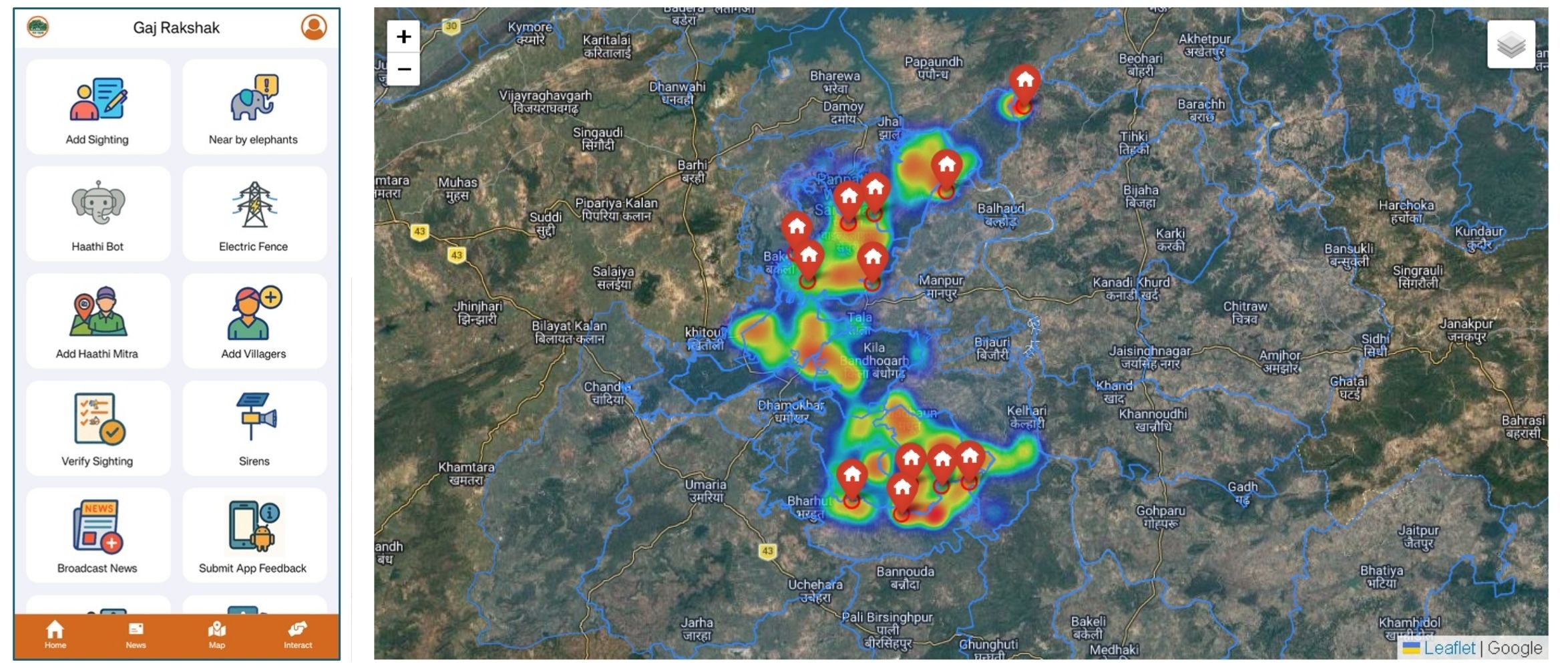
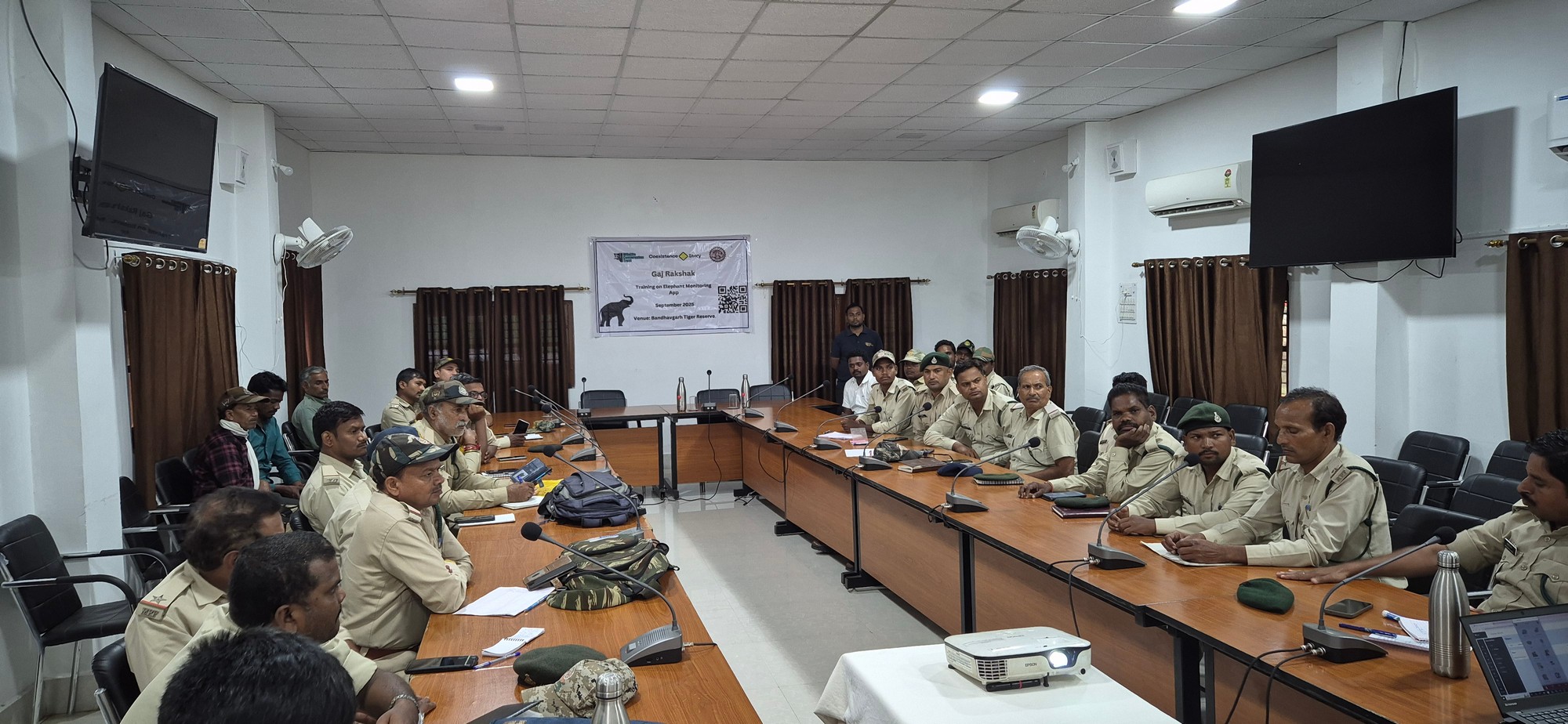
A state-level centralised elephant monitoring application and dashboard has been developed. The platform integrates field-based observations collected through the Gaj Rakshak mobile application and enables real-time tracking of elephant presence, movement, direction, herd size, and conflict incidents. The dashboard is currently being utilised by the Madhya Pradesh Forest Department to support rapid response and risk-zone identification, and evidence-based management planning. Automated alert mechanisms have also been integrated to enhance early warning systems (EWS) in conflict-prone areas.
Further, the Elephant Monitoring Cell has been established and is currently operational at Bandhavgarh Tiger Reserve. The Cell is facilitating centralised data collation, movement analysis, and development of predictive models to identify emerging conflict hotspots and seasonal movement patterns. Substantial progress has also been achieved in institutional strengthening and capacity building among the forest personnel.
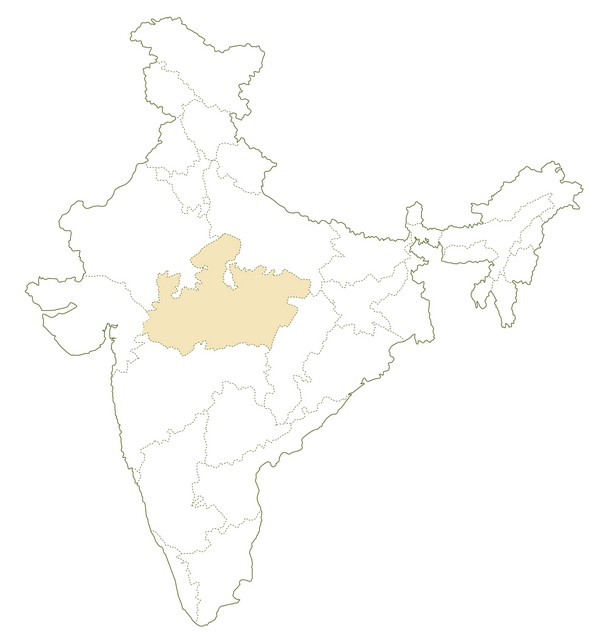
Location
Madhya Pradesh
Vision
To improve safety for both elephants and local communities, and also contribute to long-term conservation planning across the region.
Conservation Challenge
Madhya Pradesh has recently witnessed an increase in human-elephant conflict, particularly in areas where elephants have begun to venture into agricultural fields. Changing land-use patterns, habitat loss, and the expansion of elephant populations into new areas are believed to be the drivers of this escalating conflict. The ecological drivers of elephant movement and behaviour need to be well understood in order to develop effective conservation strategies.
Your donations support our on-ground operations, helping us meet our conservation goals.