
Infectious Disease Surveillance
Infectious Disease Surveillance
Wildlife-Livestock Disease Interface Management
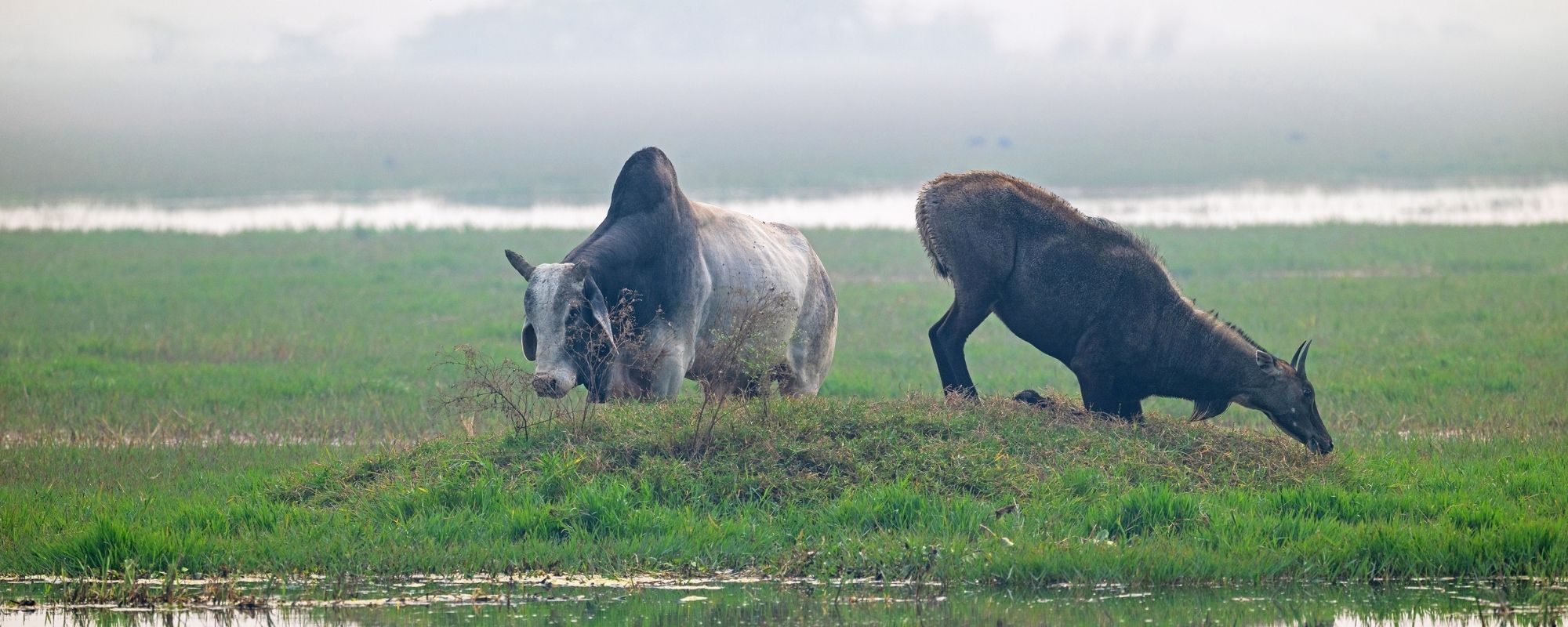
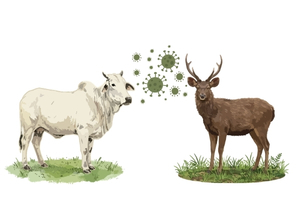
The proximity between humans, domestic animals, and wildlife increases the chances of disease spill-over, both from wildlife to domestic animals and vice versa. This could trigger the emergence and re-emergence of infectious diseases, and create a potential risk of extinction for wildlife populations.
Several tiger reserves in India are inhabited by agrarian communities that maintain large herds of livestock. This livestock, comprising cows, buffaloes, and goats, graze in forest areas, and on the same forest resources that are used by wild ungulates. The livestock herds are known to be carriers of many infectious disease-causing pathogens such as the Foot and Mouth Disease Virus, the Peste des petits ruminants virus, and Tuberculosis.
WCT has developed a project that assesses prevalence of infectious pathogens and herd immunity in livestock, and the effect of interactions between livestock and wild herbivores on disease prevalence.
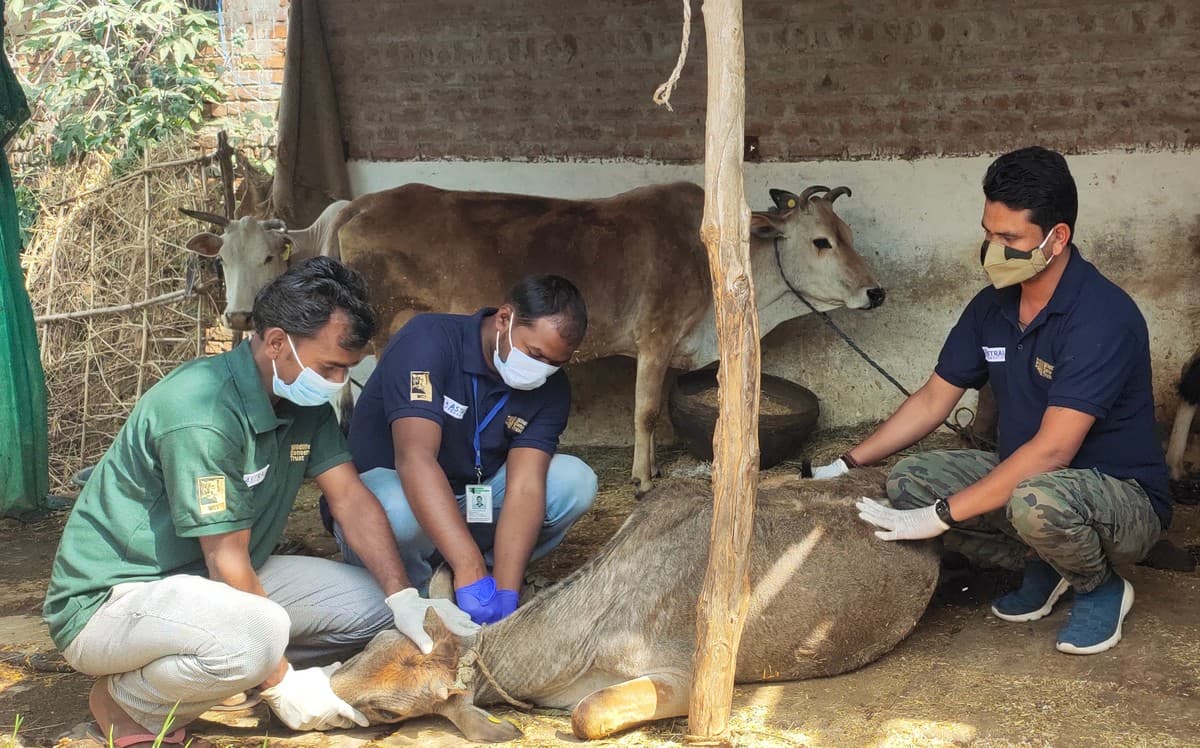
The information gathered through this project enables us to lobby State Forest Departments to include a systematic disease surveillance mechanism in park management practices; build capacity of park veterinarians and enable access to surveillance labs; and promote research on ecology of diseases in free ranging wildlife.

Currently, the project is being executed in collaboration with the Madhya Pradesh Forest Department and with active participation of the Madhya Pradesh Animal Husbandry Department as well as the Project Directorate of Foot and Mouth Disease, Indian Veterinary Research Institute (IVRI), Mukteshwar.
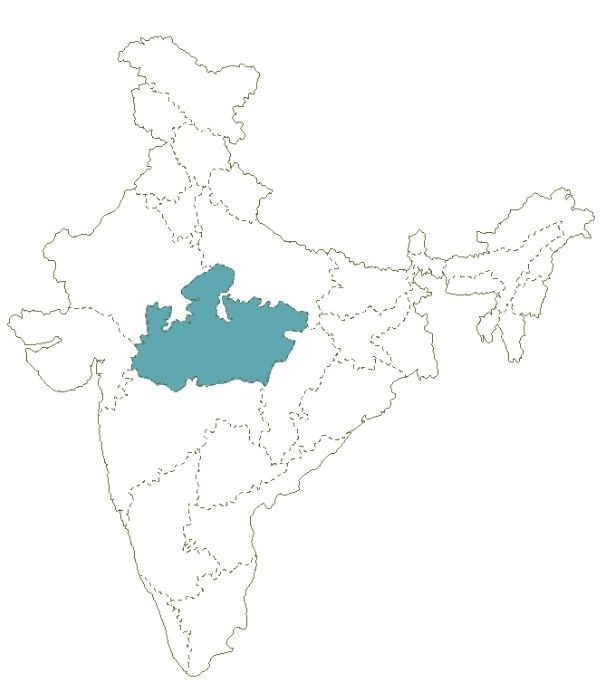
Location
Madhya Pradesh
Vision
Monitoring and containing disease spread in wild animals due to interactions with domestic animals.
Conservation Challenge
1) The proximity between humans, domestic animals, and wildlife favours the spill-over of diseases, from domestic animals to wildlife.
2) This livestock comprising cows, buffaloes, and goats, exert tremendous pressure on forest resources by competing with wild herbivores for food.
3) Several tiger reserves in India are inhabited by agrarian communities that maintain large herds of livestock.
4) They are also known to be carriers of infectious disease-causing pathogens such as Foot and Mouth Disease virus, Peste des petits ruminants virus, canine distemper virus, and tuberculosis-causing bacteria, making wildlife populations vulnerable to epidemics. This creates a potential risk of local extinction.
Your donations support our on-ground operations, helping us meet our conservation goals.