
Human-Wildlife Interface Management
Human-Wildlife Interface Management
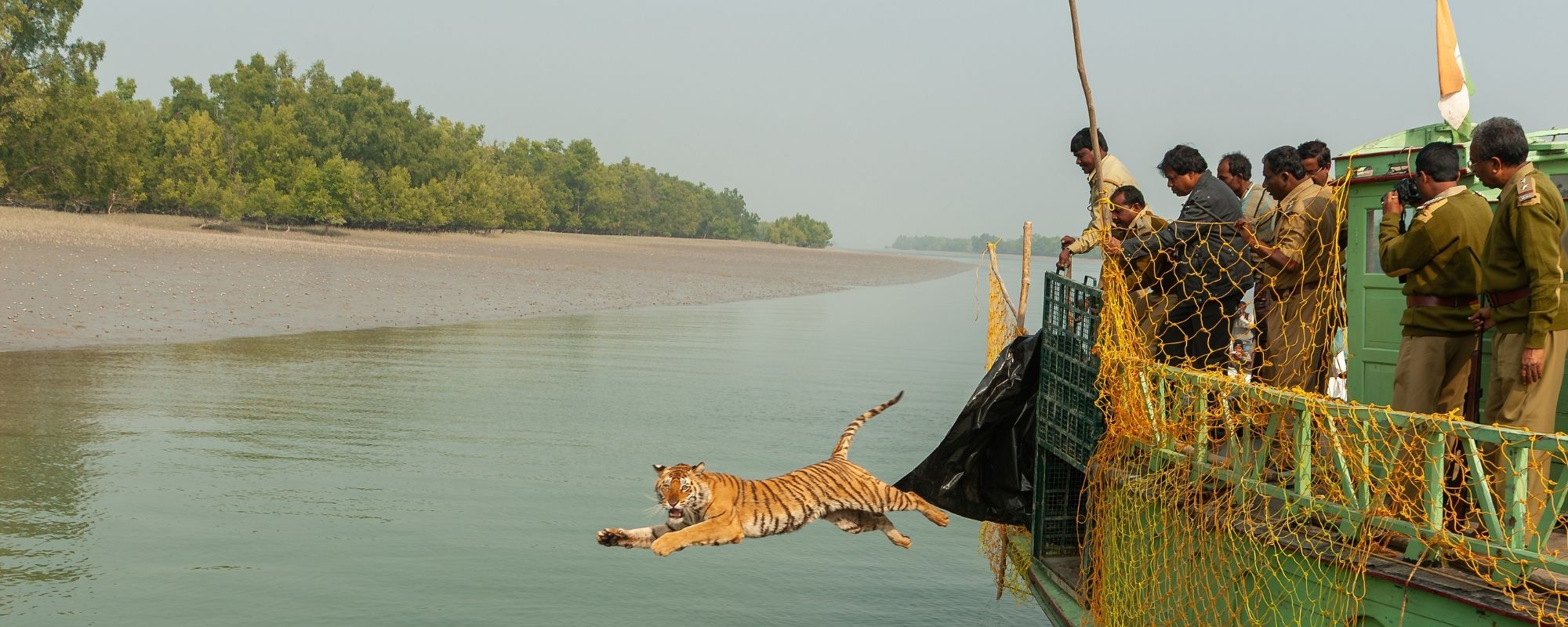
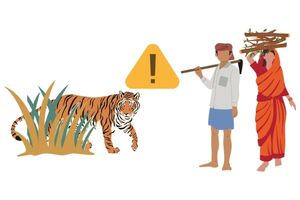
When humans and wildlife live alongside each other, there is bound to be some interaction. Often, humans perceive such interactions as conflict, endangering the lives of both people and wildlife. WCT works closely with state forest departments to mitigate conflict and minimise losses on either side. WCT’s Human-Wildlife Interface Management (HWIM) division trains forest staff in reducing damage during conflict situations and assists the Forest Department in devising long-term solutions.
WCT has developed a human-tiger interface prediction module using spatial and temporal characteristics of previous interactions. This is used to assist State Forest Departments in predicting potentially sensitive situations for the future.
In addition, WCT’s veterinarians assist the Forest Departments in the following:
- Tracking tigers living close to human settlements
- Tranquilizing large carnivores
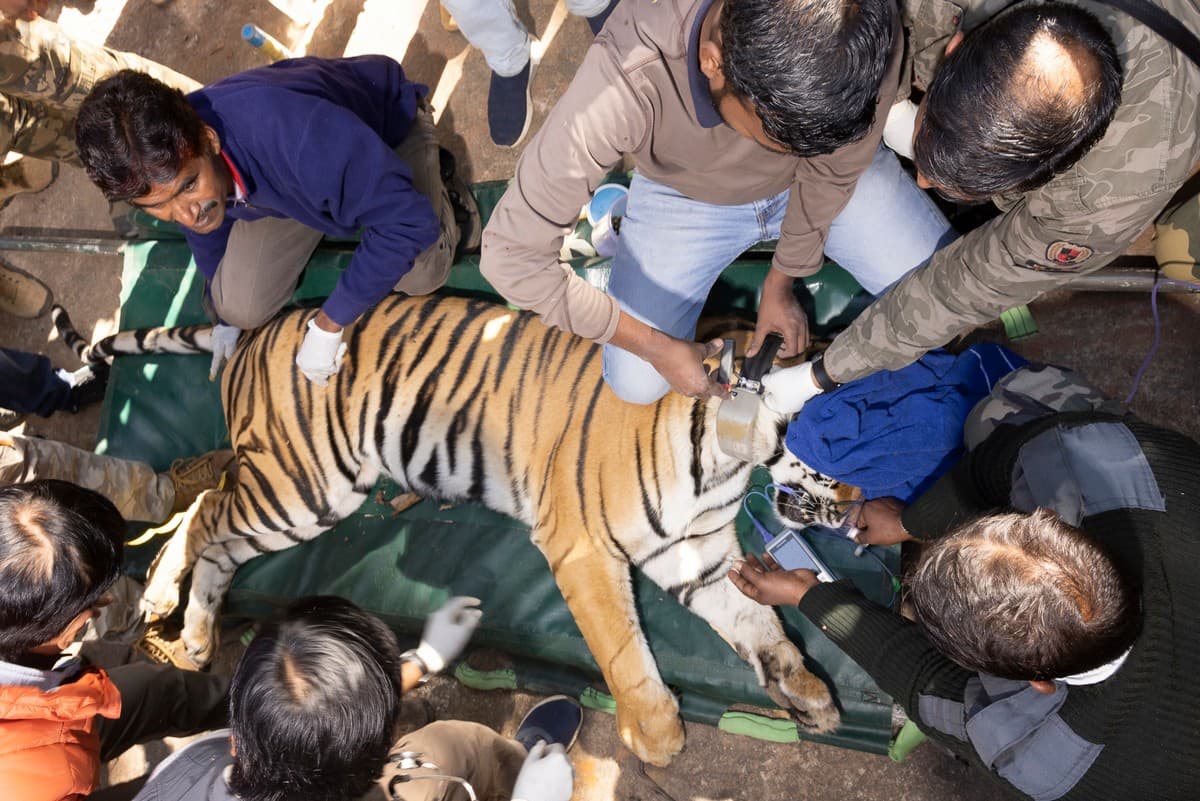
- Monitoring radio-collared tigers and leopards
- Conducting post-mortems of deceased wildlife to ascertain the cause of death
“Large carnivores, when in proximity of human dominated landscapes, attract considerable attention because of the perceived threat to human life. This often leads to removal of animals by the forest department or persecution of animals by local communities. WCT’s interventions under the HWIM project provide technical assistance to the forest department to understand and manage conflict on the ground and propose solutions which are favourable to both people and animals.”
Dr. Prashant Deshmukh
Veterinarian
Satellite Telemetry for Rehabilitation of Tigers and Leopards in Madhya Pradesh
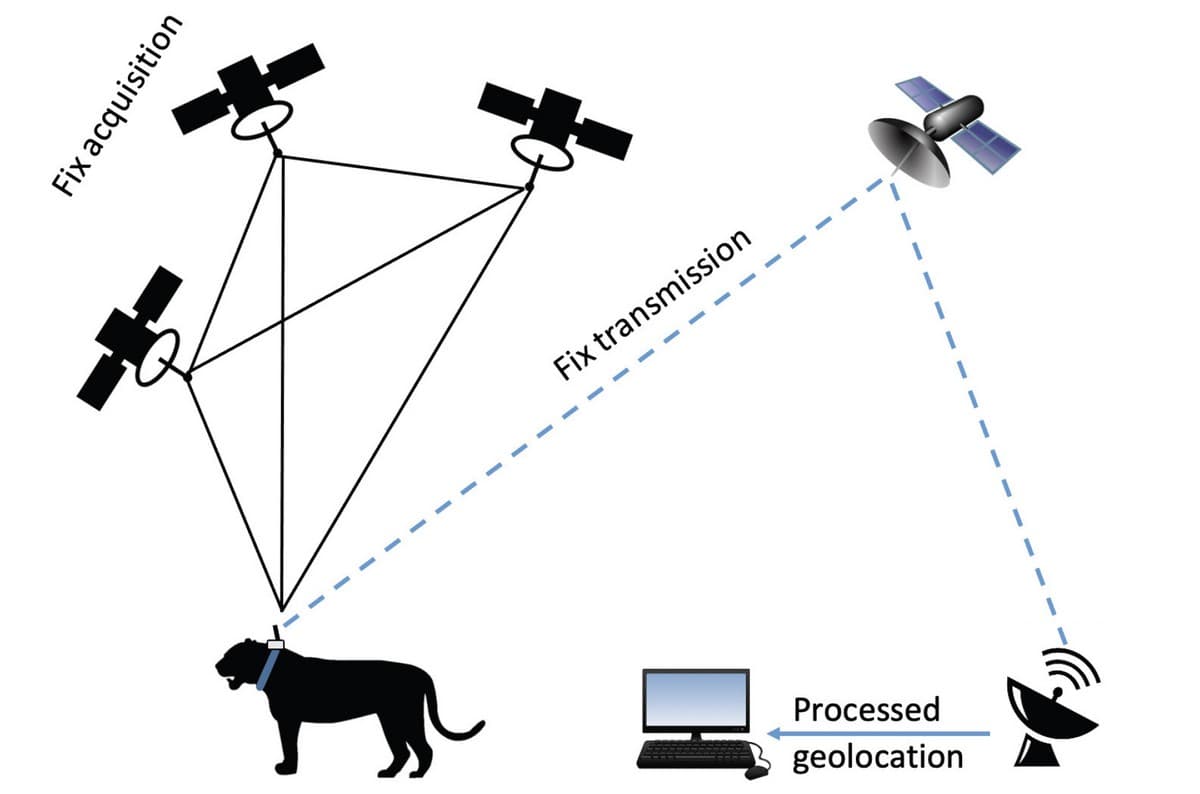
The HWIM division provides technical assistance to the Madhya Pradesh Forest Department in the management of human-tiger interactions and rehabilitation of rescued tigers. Crucial management interventions with respect to tigers and leopards in the process of rehabilitation are based on analysis of fine scale data across space and time, received from the satellite collars. WCT scientists assess and interpret the GPS locations of the animal, and share these locations with the Forest Department, which then attempts to locate the tiger on the ground.
The data enables managers and scientists to anticipate and plan interventions and increase the chances of stabilisation of an animal in its new environment.
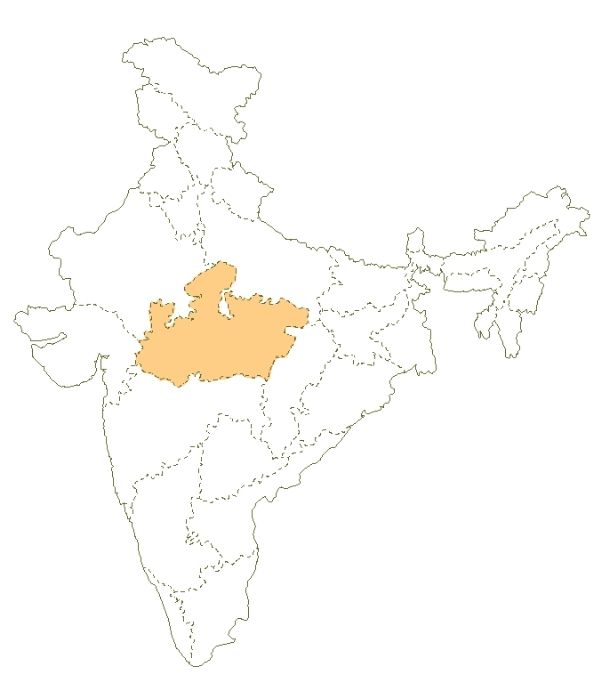
Location
Madhya Pradesh
Vision
To help the Forest Department in dealing with negative or potentially negative human-carnivore interactions.
Conservation Challenge
1) When humans and wildlife live alongside each other, there is bound to be some interaction between the two. Often, humans perceive such interactions as conflict.
2) Animals play a vital role in maintaining the ecological balance of the region, but their presence can also lead to conflicts with local communities.
3) Human-carnivore conflicts in India primarily occur due to the loss of natural prey and loss of wildlife habitats.
4) Carnivores may attack livestock, leading to losses for farmers, and in some cases, they may also pose a threat to human lives.
5) These conflicts can foster negative attitudes in people towards carnivores which may lead to lack of support for conservation efforts.
Human Death Investigation
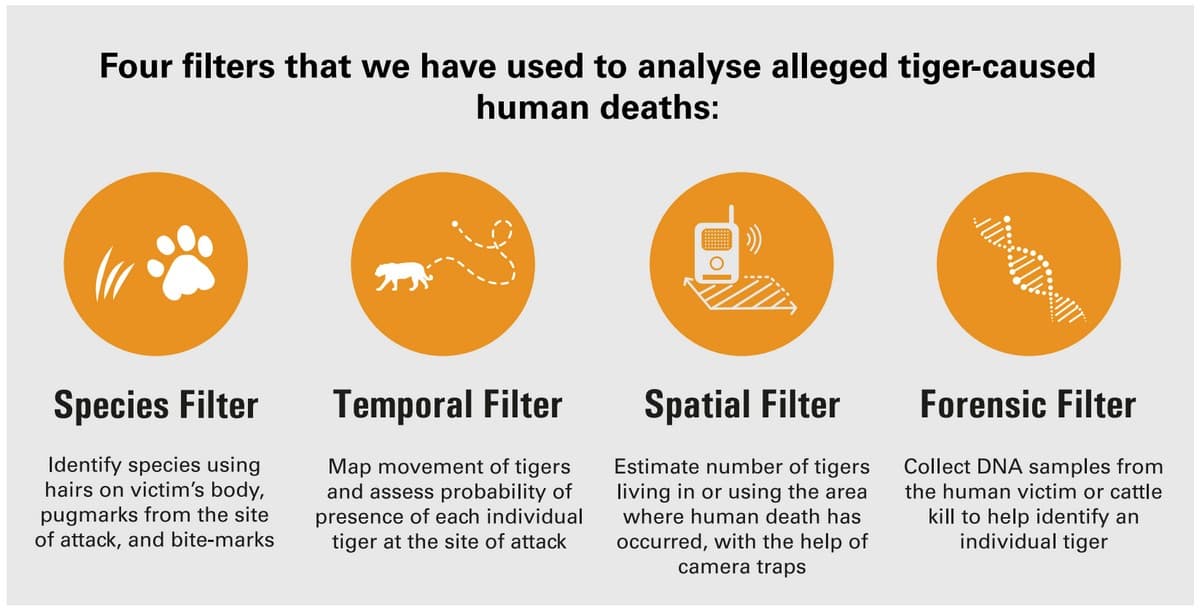
n forests outside India’s Protected Area network, loss of human life or livestock due to tiger attacks changes the perception of local communities towards tiger conservation, often leading to a demand for removal of the tiger. Throughout the Central Indian Landscape, an average of 60 people die annually because of tiger attacks. WCT regularly receives requests from the forest department to help identify the problem tiger from several individuals that may be using the same area.
Since 2015, WCT has assisted the Maharashtra and Madhya Pradesh Forest Departments in investigating 30 human casualties, and suggested corrective measures to diffuse the tension between local communities and the Forest Department.
Diffusing Conflict
Specially Designed Rescue Vehicles
WCT donates specially modified 4WD vehicles to parks to help officials rescue wild animals that have strayed into human habitation. Specially designed injury-proof carnivore trap cages have also been provided to over 20 Protected Areas.
Workshops on Firearm Maintenance
WCT collaborates with local NGOs to carry out periodic maintenance of firearms given to forest staff in various parks. Although forest officials have firearms to use in life-threatening situations, they are not taught how to maintain them. This leads to rust developing on the inside of the firearms, increasing the chances of them malfunctioning during an emergency.
Technological Solutions
WCT has helped design thermal imaging equipment called an e-Rescuer that helps forest officials detect wild animals during the night or in foggy conditions. Staff can use the device to track animals and plan their rescue operations, minimising the risk of injury to themselves.
Your donations support our on-ground operations, helping us meet our conservation goals.