
Ecosystem Restoration Programme
Ecosystem Restoration Programme
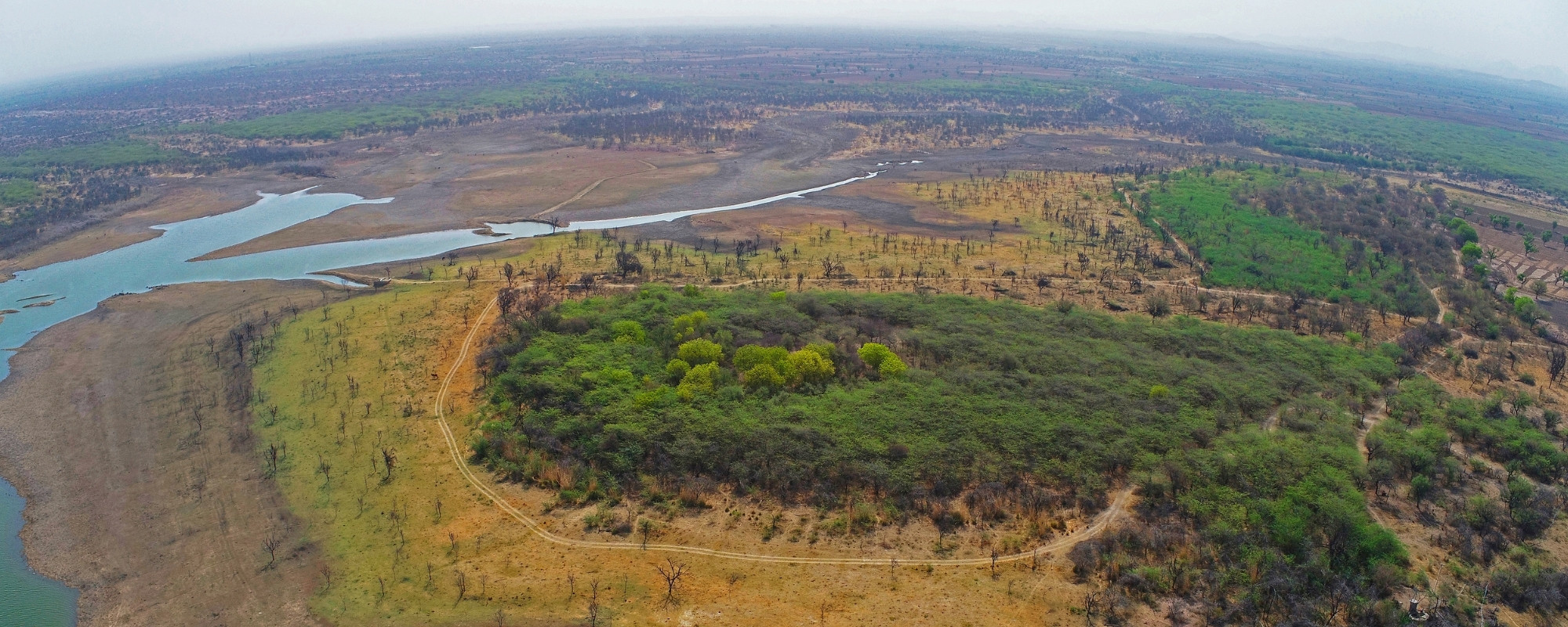
Land degradation and conversion have become, in recent times, one of the most severe threats to natural ecosystems. Anthropogenic causes are proving extremely potent in altering natural landscapes in a way that has not been witnessed before. The United Nations declared 2020-2030 as the ‘Decade on Ecosystem Restoration’, encouraging large-scale restoration of native lands. WCT’s Ecosystem Restoration programme includes projects focused on restoring degraded grasslands, scrub forests, and forested habitats to reinstate ecosystem services and revive native flora and fauna.
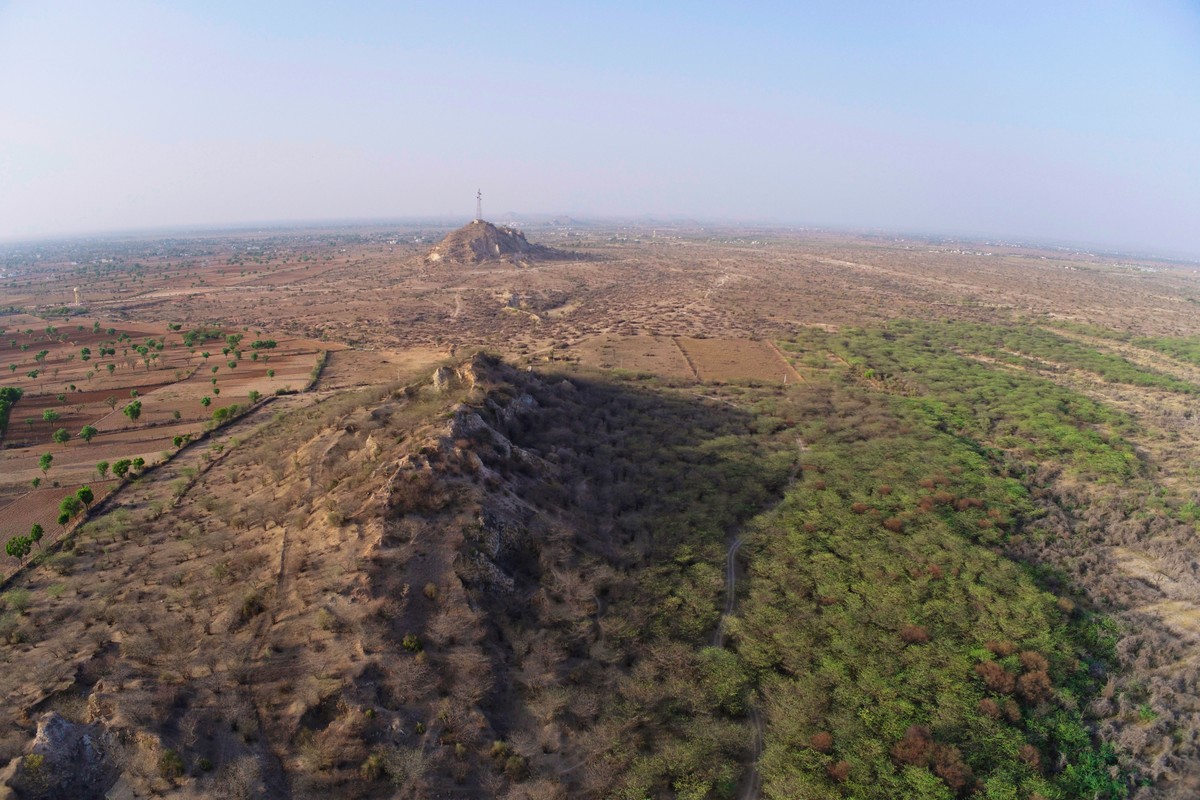
Our programme vision is to understand the current ecological status of ecologically degraded landscapes and bring back native biodiversity by ensuring protection, removal of invasives and restoration of native flora on the sites.
Project locations:
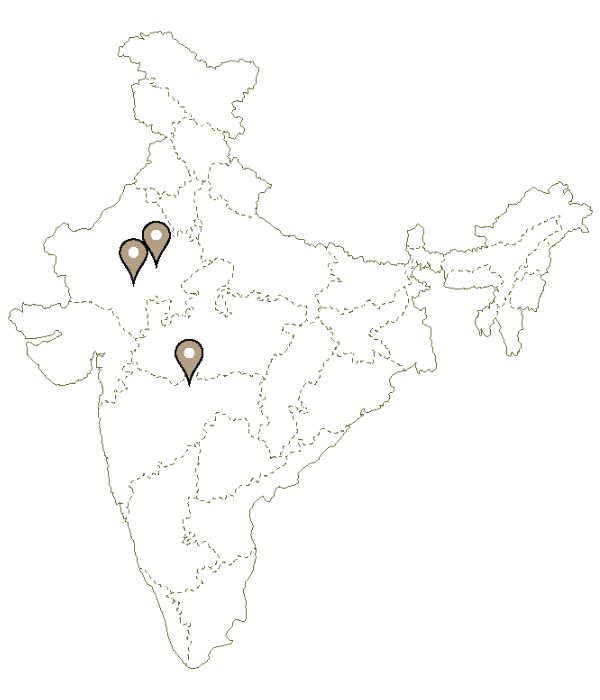
Nimaaj and Bithiya in Rajasthan, and Pawana catchment in Maharashtra
As part of the Ecosystem Restoration programme, WCT:
- has identified three restoration project sites, of which two are in Rajasthan and one in Maharashtra.
- conducts detailed baseline surveys for fauna, flora, water, and soil at the project sites to understand the baseline status of biodiversity and restoration challenges.
- undertakes phase-wise restoration efforts in the project sites by systematically replacing invasive species with native ones.
- sets-up nurseries with native flora, including trees, herbaceous plants and grasses.
- carries out landscape vulnerability assessment – mainly landslide probability identification and physiographic vulnerability in Pawana catchment in the northern Western Ghats of Maharashtra.
- carries out a preliminary hydrological assessment survey in the Pawana catchment landscape.
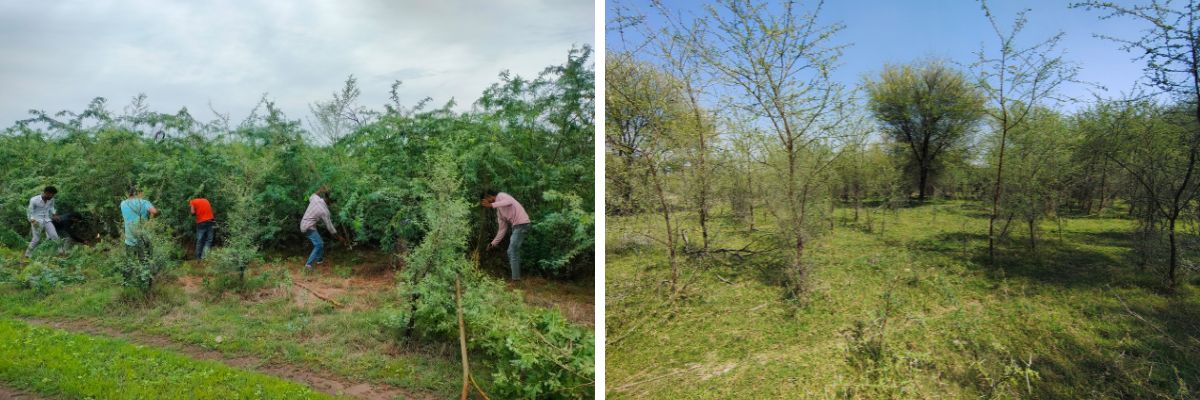
WCT’s restoration approach:
- Prioritise restoration sites based on ecological need and feasibility
- Map land use, vegetation, soil, and hydrological features
- Conduct baseline surveys for fauna, flora, water, and soil carbon
- Analyse stakeholder dependence and aspirations
- Set-up nursery of native plant species
- Removal of invasives
- Assisted natural regeneration
- Monitor change in key indicators
Location
Nimaaj & Bithiya in Rajasthan, and Pawana catchment in Maharashtra
Vision
To understand the current ecological status of ecologically degraded landscapes and restore native biodiversity by initiating activities that will ensure protection, remove invasive species and restore the sites to a living, self-sustaining ecosystem.
Conservation Challenge
Land degradation and transformation pose significant threats to the persistence of healthy ecosystems. Land degradation has affected millions of hectares, and restoration is slow and requires meticulous, localised interventions.
Some of the major threats to ecosystems:
- Land degradation & conversion
- Alien plant invasion
- Misguided restoration (afforestation drives on grasslands)
- Classification of drylands as ‘wastelands’
Open Natural Ecosystems such as grasslands, woodland savanna, scrub forests or deserts are very often misunderstood as degraded forests and thus subjected to large scale plantation programmes in India. However, these arid and semi-arid ecosystems support highly specialised and endangered species such as the blackbuck, lesser florican, great Indian bustard and are under severe threat due to anthropogenic pressures.
Your donations support our on-ground operations, helping us meet our conservation goals.