


Fiscal Principles
Fiscal Principles
Every five years, the Government of India distributes tax revenues to each State. A percentage of these funds are allocated to the States based on the geographical area of natural habitats or ecosystems each State holds, and is called the ‘Forest and Ecology grant’ or the green grant, and such a transfer of money based on ecological criteria is called an Ecological Fiscal Transfer. The inclusion and exclusion of ecosystems eligible for this grant has far-reaching ecological and socio-economic impact on communities living in and around the ecosystems as well as sets the priorities for conservation of ecosystems.
In India, until very recently, policies implemented by the Finance Commission marked devolution of funds based on existing forest cover alone. Also, there was no incentive for any government to conserve other equally critical non-forest ecosystems like grasslands, wetlands, deserts, etc. The Wildlife Conservation Trust (WCT), in collaboration with H T Parekh Foundation, undertook a unique flagship project titled ‘Fiscal Principles: An Impetus for Natural Capital’.
Two key recommendations in our submission to Finance Commission were:
- an inclusive criterion that rewards open forest ecosystems like grasslands and
- rewarding states that have increased areas under ecosystems
These recommendations have been included in the devolution criterion by the XVI Finance Commission. The report for the same was released alongside the Union Budget on the 01 February 2026. Now for the first time since the inception of the grant, the forest and ecology grant pays states for the area they add under various ecosystems, and not only for the cover they already hold. States that have lost forest cover get nothing from this funds. Open forests with low density of canopy cover, previously valued at nil, now receive a minimum of ₹25,000 crore a year. States that grow their area under very dense, moderately dense or open forest share ₹28,000 crore.
₹25,000 cr
a year, minimum, for open forests, previously nil
₹28,000 cr
for states that increase area under forests
₹1,40,000 cr
to be devolved under the Forest and Ecology criterion
Changes in the Forest and Ecology grant
This was achieved by providing evidence-based and scientifically robust policy recommendations to the Finance Commission on fund devolution. This is an important milestone in the conservation of open forest ecosystems as well as creating incentives to increase areas under ecosystems.

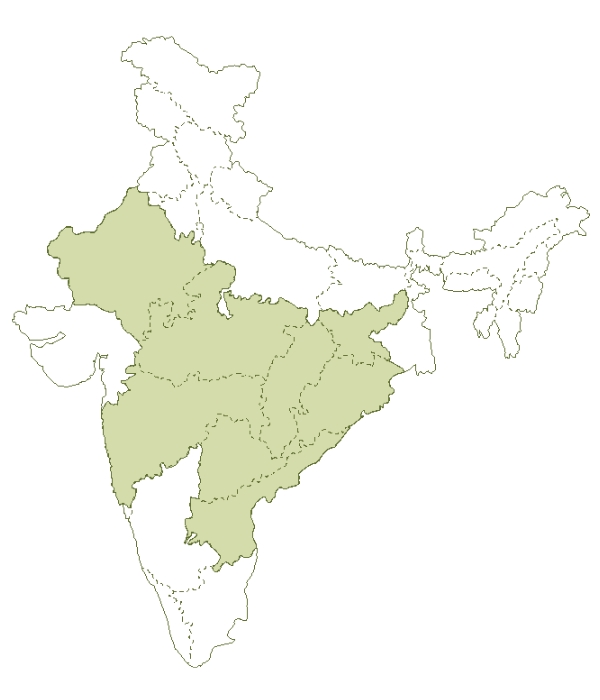
Location
Pan India
Vision
To drive policies that create incentives for governing bodies to achieve developmental goals without compromising on ecosystem services.
Conservation Challenge
In India, until very recently, policies implemented by the Finance Commission marked devolution of funds to States based on existing forest cover alone. Also, there was no incentive for any government to conserve other equally critical non-forest ecosystems like grasslands, wetlands, deserts, etc.
Through the Fiscal Principles project, WCT, has aimed to:
- Provide evidence-based policy recommendations to the Finance Commission on fund devolution by including non-forest ecosystems in the grant criteria.
- Build a better understanding of marginalised communities living in and around different ecosystems and enabling data-based representation in policies.
Your donations support our on-ground operations, helping us meet our conservation goals.