


Conservation Dogs Unit
Conservation Dogs Unit
WCT’s Conservation Dogs Units (CDU) comprises, at the moment, three specially trained working dogs to carry out varied tasks related to detection of target species or indirect evidence left behind by wildlife or wildlife poachers, and a well-trained staff which works in tandem with these extraordinary dogs. The olfactory capabilities of dogs aid in ongoing conservation efforts and investigations.
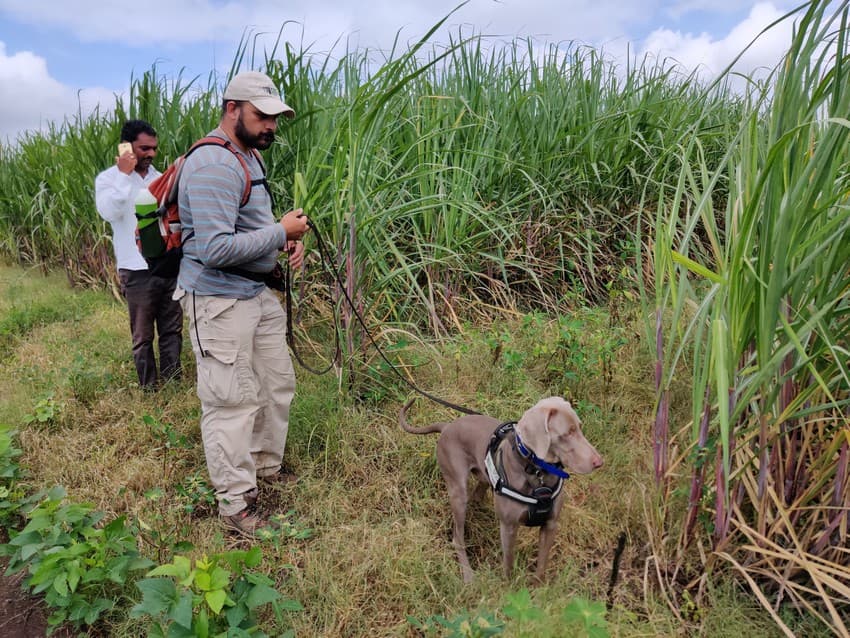
Conservation dogs or detection dogs are proving to be a huge asset to conservation, research and wildlife crime investigation around the world. The dogs bring to the table a unique approach to detection and search, increasing accuracy and reducing the time invested. Humans rely primarily on vision to detect tracks and signs, while dogs scan the same landscape using their sophisticated olfactory sense. Dogs can detect the presence of scats, animal or human track, blood trails, kills and urine of target species, which in turn helps to arrive at answers to research queries, conservation challenges and crime investigation.
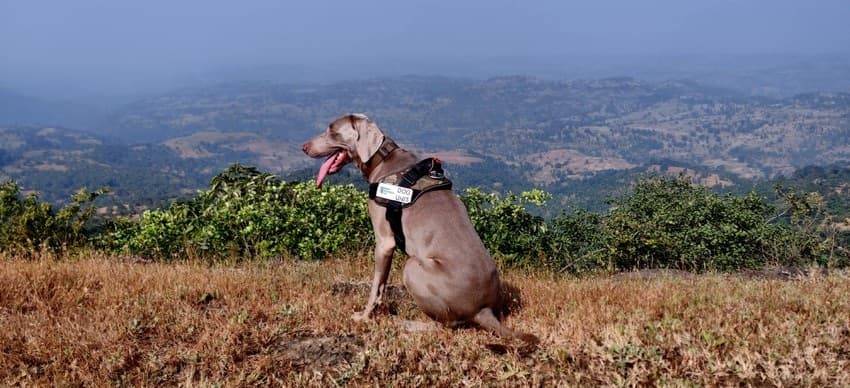
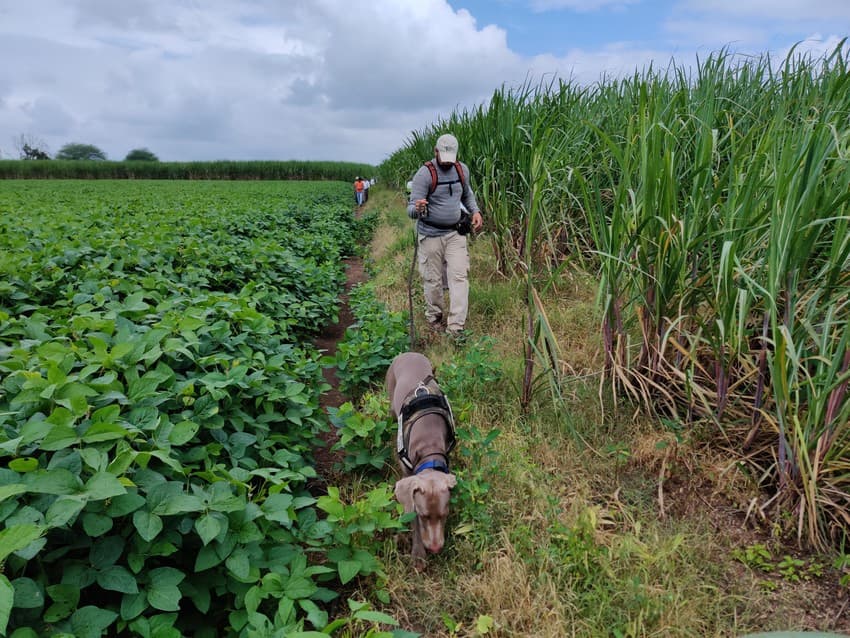
The main objective of WCT’s CDU is to assist our field teams in human-wildlife interface management, conservation research, road ecology surveys, disease surveillance, and wildlife law enforcement. Our conservation dogs have been deployed on corridor conservation and conflict-related projects and have proved to be very effective.
Location
Lorem Ipsum dummy text
Vision
Lorem Ipsum is simply dummy text of the printing and typesetting industry.
Conservation Challenge
1) Contrary to popular belief, Lorem Ipsum is not simply random text.
2) It has roots in a piece of classical Latin literature from 45 BC, making it over 2000 years old.
3) The standard chunk of Lorem Ipsum used since 1966 is reproduced below for those interested.
Your donations support our on-ground operations, helping us meet our conservation goals.