
Riverine Ecosystems and Livelihoods Programme
Riverine Ecosystems and Livelihoods Programme
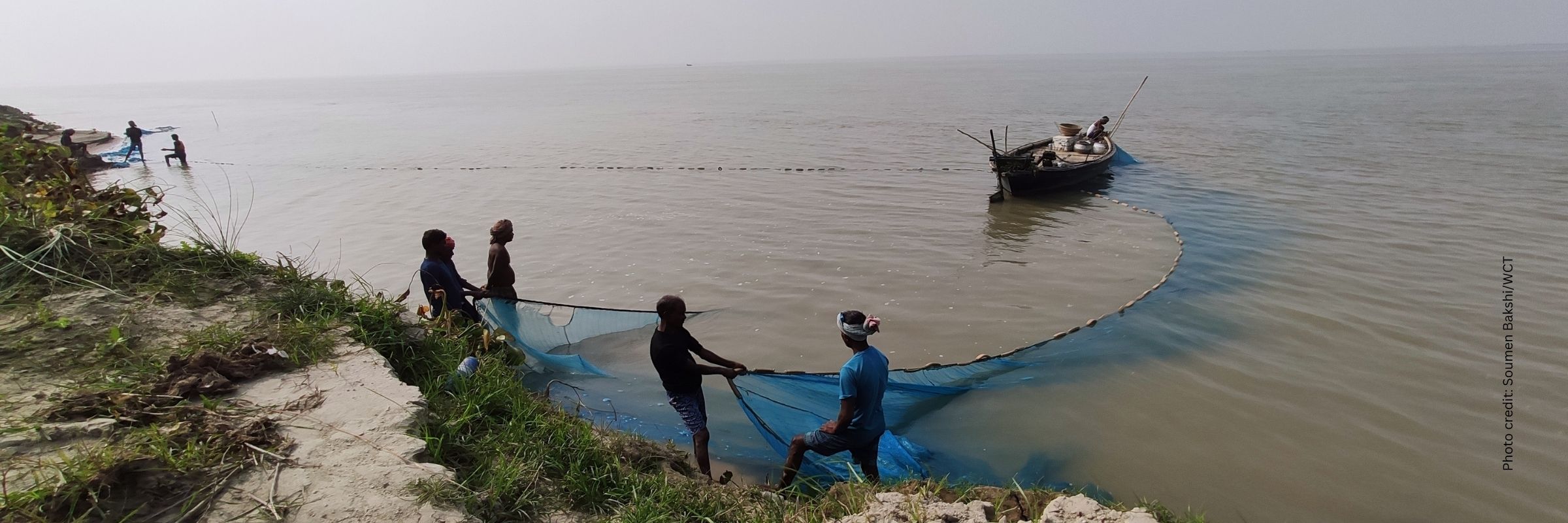
WCT’s Riverine Ecosystems and Livelihoods (REAL) programme seeks to examine the ways in which the objectives of fisheries and wildlife management in India’s Gangetic plains and Central India can be interwoven, specifically in areas where fishing activity and endangered freshwater species overlap. This programme also studies the conflicts over fishing rights in and around terrestrial and riverine or wetland protected areas. To this end, WCT conducts surveys and studies on ecological interactions between freshwater species and fishing activity; reviews existing gaps in fisheries and wildlife laws; and identifies the institutional and socio-economic factors underlying fishery conflicts both with wildlife conservation and other river-dependent stakeholders. This project builds on the long-term research and conservation efforts by its team in the Ganga River and its tributaries in the Gangetic plains.
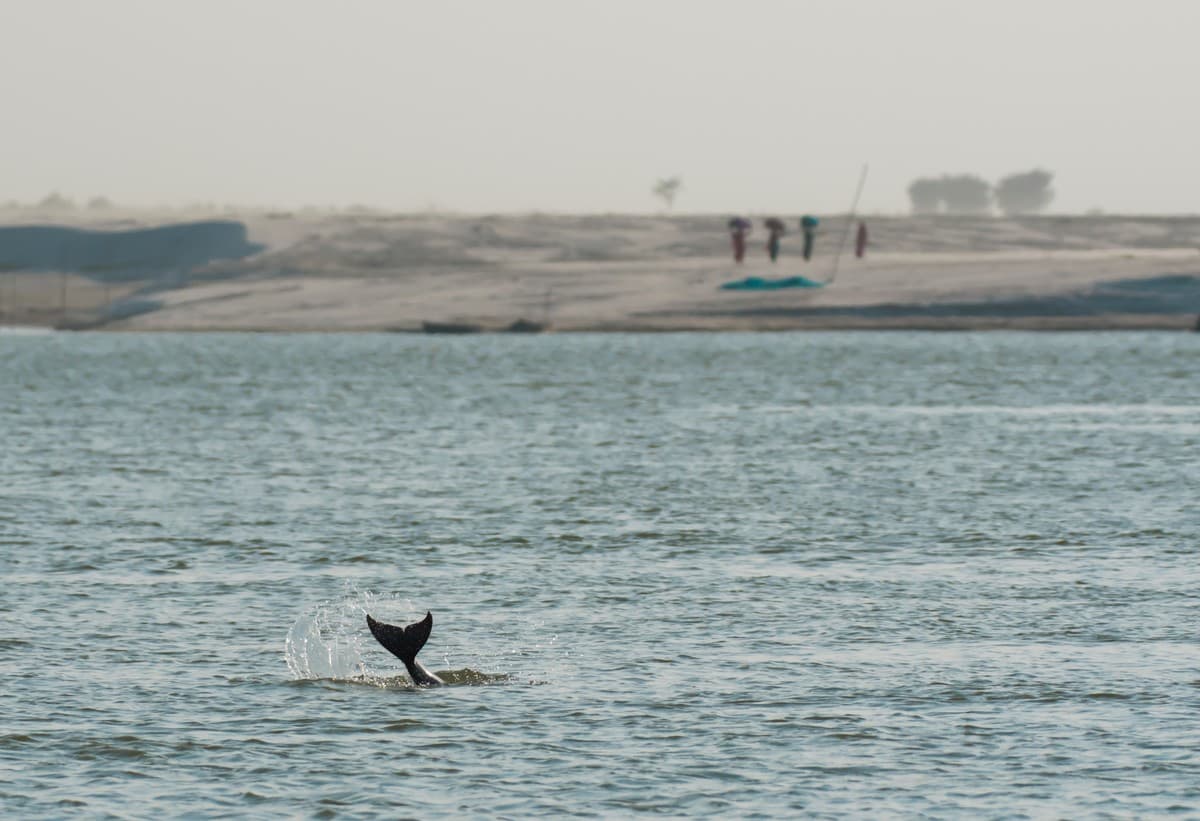
Through this programme, WCT focuses on the conservation of endangered riverine wildlife in India’s Gangetic plains by integrating it with the inter-connected issues of fisheries sustainability and ecosystem adaptation to hydro-climatic change through improved river water management.
Our project addresses three priority goals:
- long-term survival of riverine species’ populations
- availability of adequate and productive riverine habitats for wildlife and fisheries
- livelihood sustainability and social security for communities involved in conservation
The threatened riverine species that our project focuses on are the Ganges river dolphin, gharial, freshwater turtles (~15 species are highly threatened in the Gangetic plains), otters, birds such as the Indian Skimmer, and fishes. All these species are affected by dams and barrages altering river flows, hunting, fishing-induced mortality from bycatch, river pollution, other human disturbances, and the accelerating impacts of climate change.
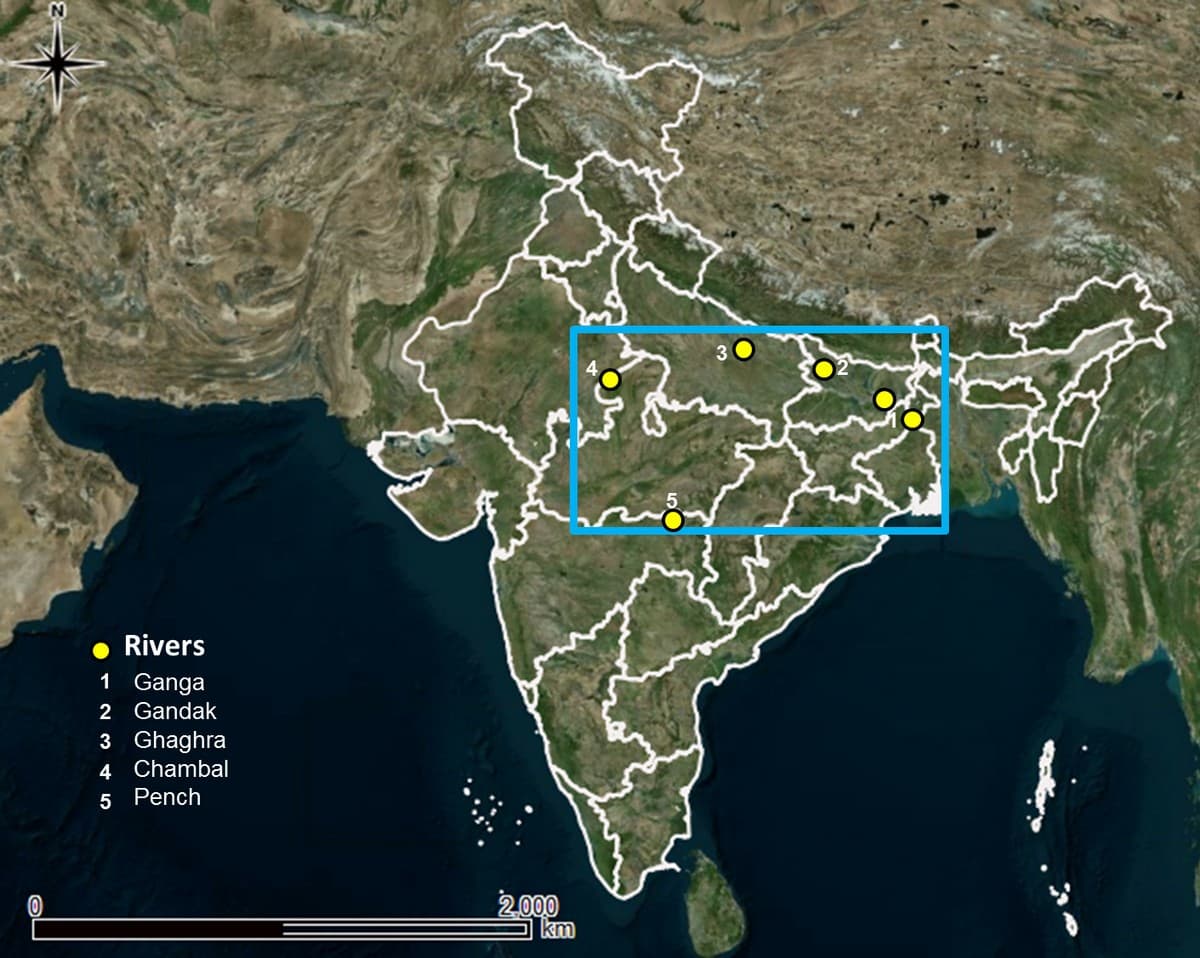
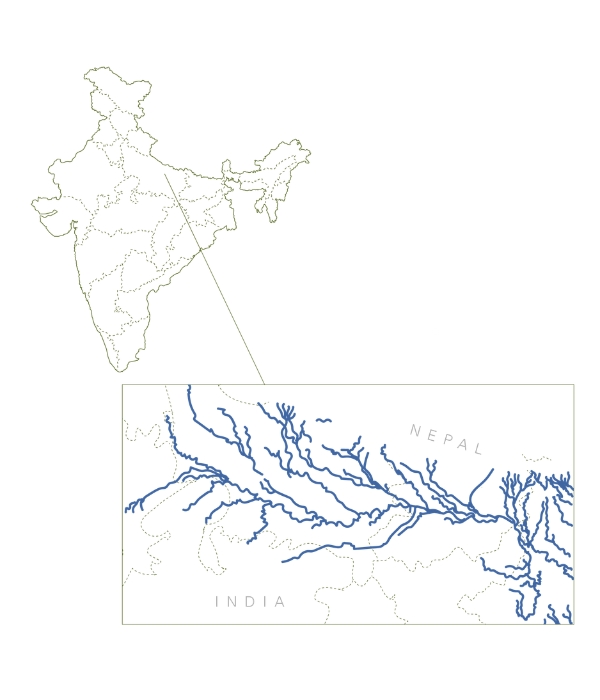
Location
Gangetic plains and rivers in Central India
Vision
To conserve India’s endangered riverine wildlife and sustain its coexistence with fishery-based human livelihoods.
Conservation Challenge
In India’s waterscapes, freshwater species such as Ganges river dolphin, gharial, freshwater turtles, smooth-coated otter, and waterbirds face serious threats such as:
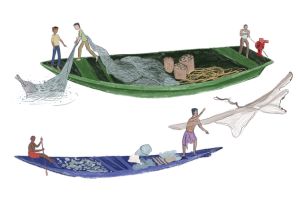
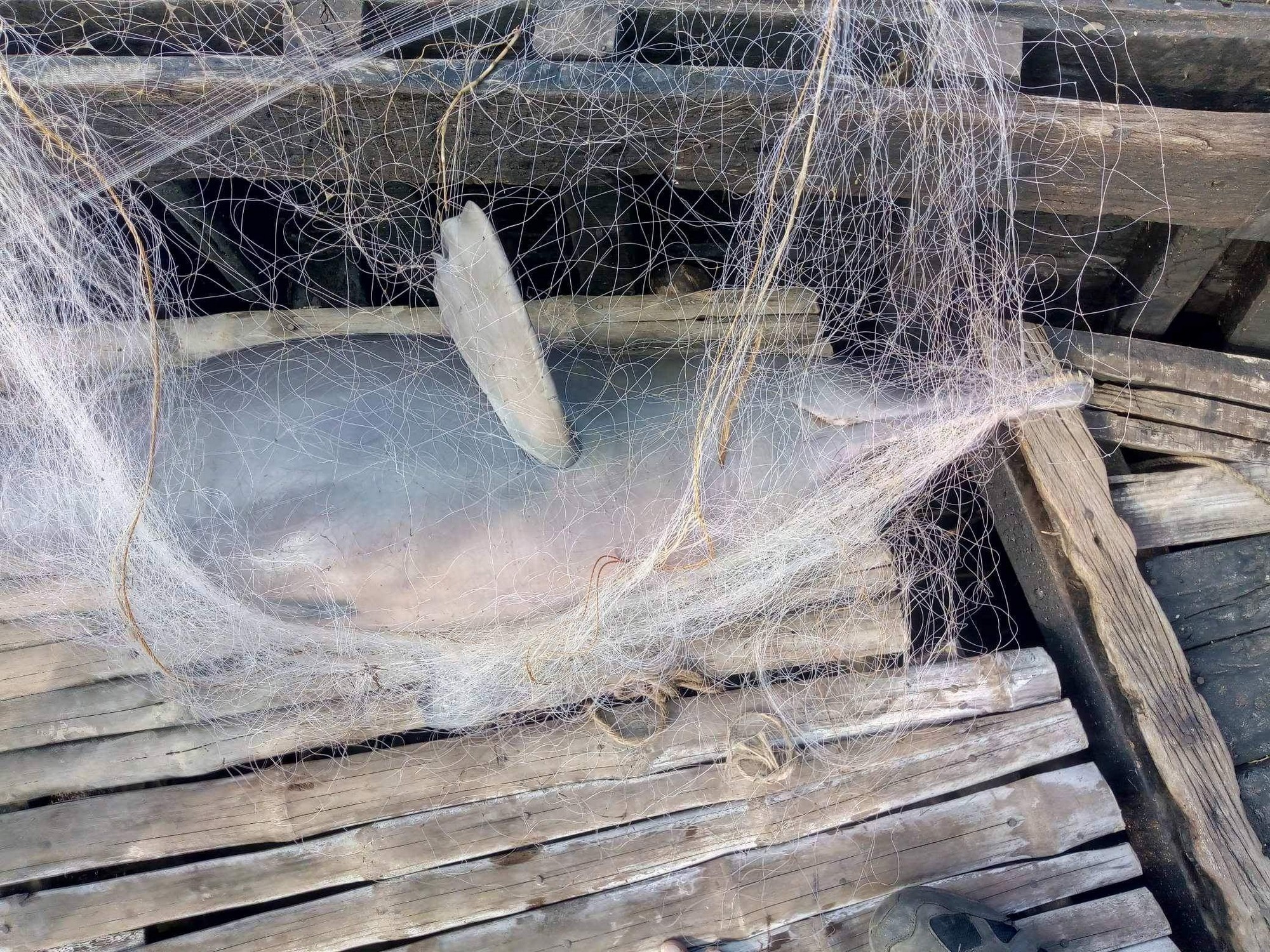
- accidental entanglement in fishing nets
- targeted hunting by fishers
- competitive interactions over fishery resources
At the same time, capture fisheries provide a vital source of livelihood and nutritional security to many socio-economically marginalised communities in the Gangetic plains.
Fishers are also dependent on adequate and clean water in riverine habitats regulated by dams and barrages, and in that way, they too suffer from man-made river flow alterations just as biodiversity does.
Your donations support our on-ground operations, helping us meet our conservation goals.