
Technology for Wildlife Conservation (WildTech)
Technology for Wildlife Conservation (WildTech)
The WildTech (Technology for Wildlife Conservation) project emerged organically from the need felt for technological innovation and design across existing programmes at WCT that have involved tracking endangered species such as the Indian pangolin and Ganges river dolphin, mitigating the threats faced by wildlife from infrastructure such as dams and railways, reducing the dependence of forest-dwelling communities on fuelwood by providing energy-efficient water heating solutions, mitigating human-wildlife conflict, and wildlife health. The project seeks to harness the latest, cutting-edge global advances in electronics, telecommunication, computation, and their translation to open-source and user-friendly technological innovations to enable greater impact for conservation of wildlife and ecosystems.
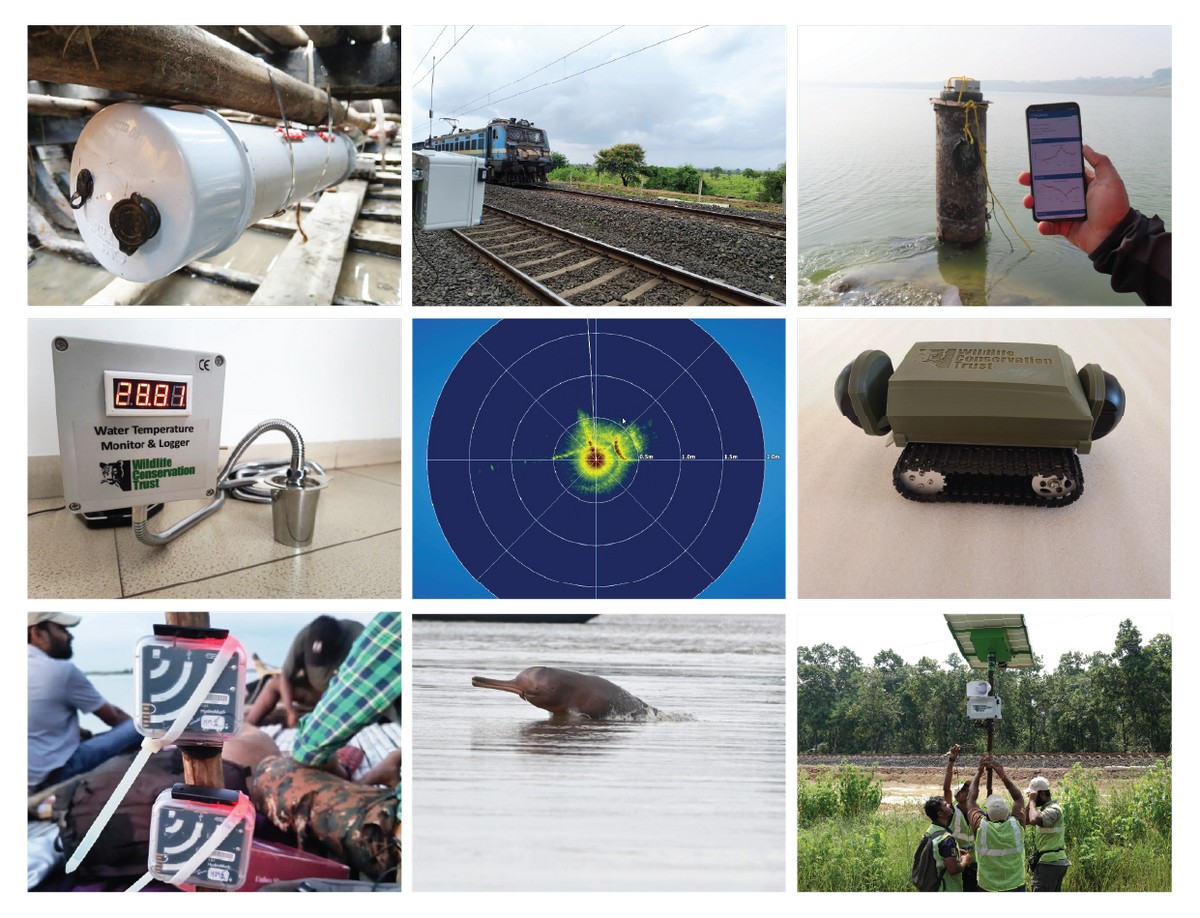
High costs, lack of technical skill, and limited institutional capacity in forest departments were identified as the primary barriers to adoption of cutting-edge technology in wildlife monitoring. These barriers are what WCT seeks to address and resolve through this project. Innovative, tech-based solutions can contribute towards solving a wide range of conservation issues and challenges from aquatic wildlife getting caught in fishing nets as bycatch to wildlife mortalities on railway lines due to collisions with trains to inability to monitor animals underwater due to poor visibility, and so on.
Through this project WCT aims to develop low-cost, open-source, replicable, and customised tools for sustainable conservation impact.
Some of the technological innovations developed by WCT include:
1. Early Warning Systems for various wildlife conservation and monitoring applications:
- boatBAITS – a system for tracking boat movements and alerting boat users to move away from wildlife areas.
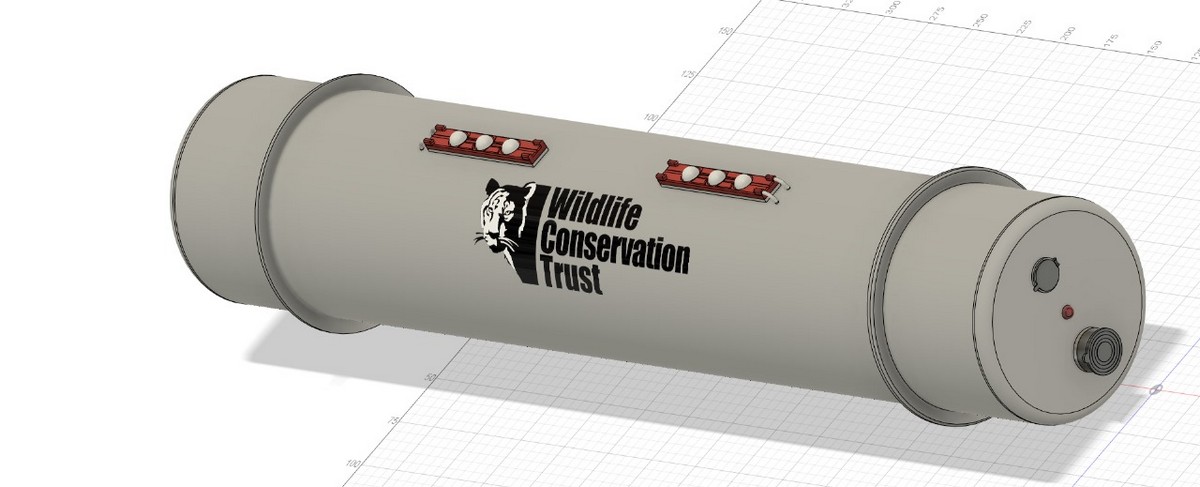
- Railway Alert – a pre-emptive system for early indication to wild animals walking on railway tracks to move away, in advance before the approach of the train
- Hydrology Sensor Suite – a real-time and telemetered hydrological data gathering systems to be installed at sites downstream of dams or barrages, to identify any water flow releases or stoppages that could negatively affect riverine wildlife.
Railway Alert Early-Warning System
Annually, over 20,000 wild animals are estimated to die on railway tracks due to train collisions in India, according to official figures of the Comptroller and Auditor General, Govt. of India. In forest areas through which trains pass, high levels of mortality and injury to wildlife is a serious concern for the Indian Railways as well. Most alert systems that were tried out by the railways were mainly for elephants (which also led to damage to railways), but the success rate was poor because these systems placed the onus on the locomotive drivers to reduce speed or take measures to avert collisions. However, loco drivers are ill-equipped to act on such alerts due to their schedule speeds and issues of train delays and related traffic problems. For smaller wildlife, no systems of early warning exist.
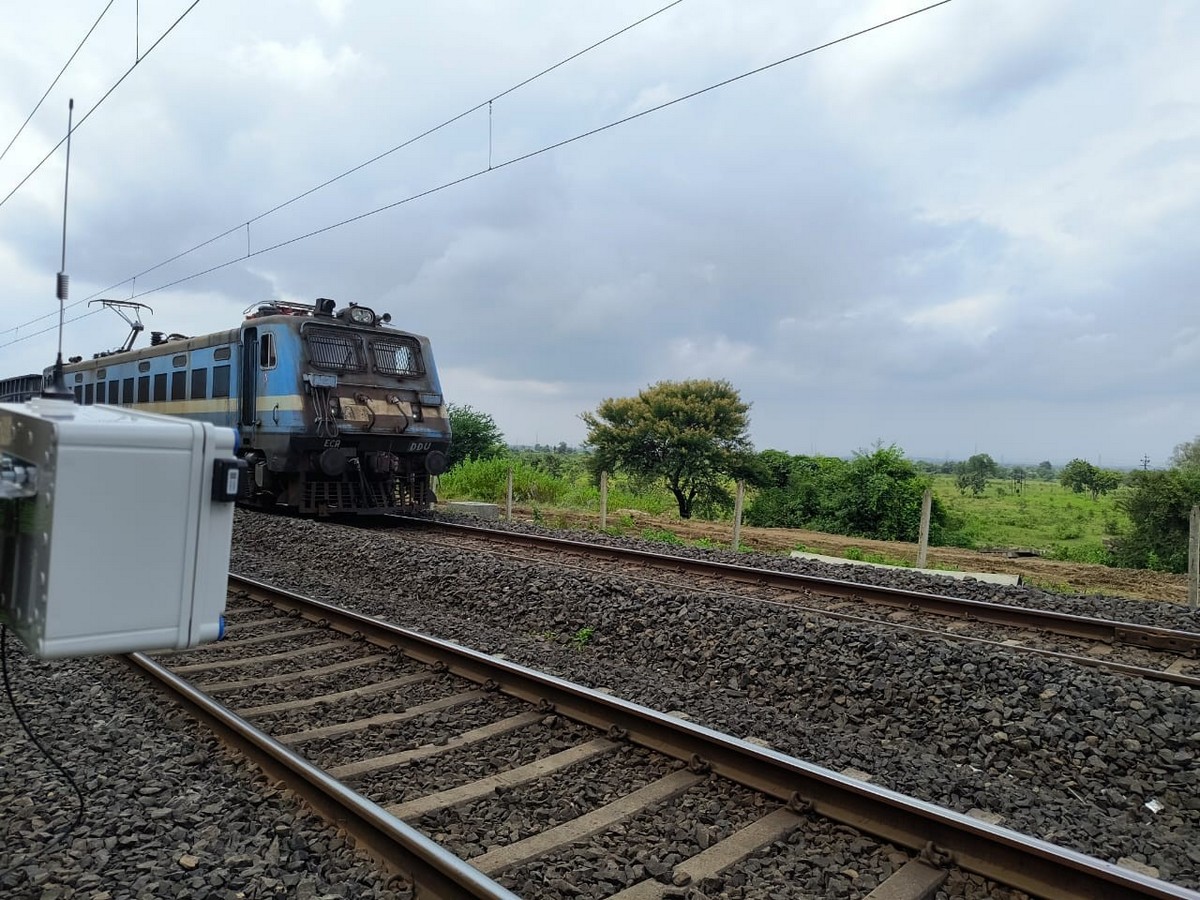
WCT’s WildTech team worked with the Conservation Research team to develop an early-warning system based on sound alarms, meant to deter wild animals from railway tracks, pre-emptively.
2. Animal monitoring and tracking systems for terrestrial and aquatic species, as well as alternative low-cost solutions to animal tags
We are developing passive acoustic tracking and monitoring systems for terrestrial and aquatic vocalising species (e.g. river dolphins, bats, birds, elephants), as a solution to problems in being able to observe them visually. We are also developing alternatives and cost-cutting solutions to existing animal tags.
We are developing passive acoustic tracking and monitoring systems for terrestrial and aquatic vocalising species (e.g. river dolphins, bats, birds, elephants), as a solution to problems in being able to observe them visually. We are also developing alternatives and cost-cutting solutions to existing animal tags.
Results from video grabs of underwater imaging SONAR from the Chambal River.
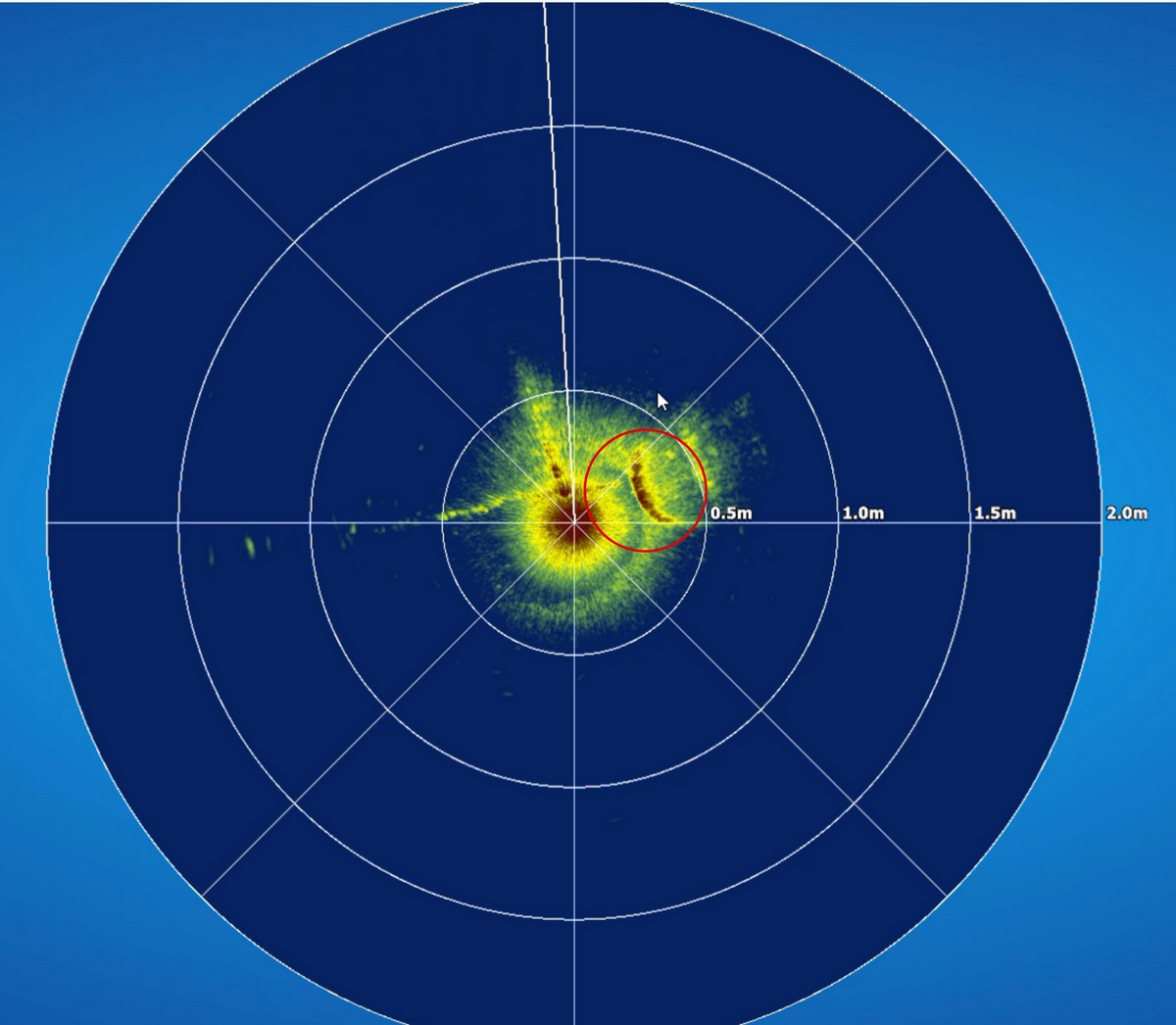
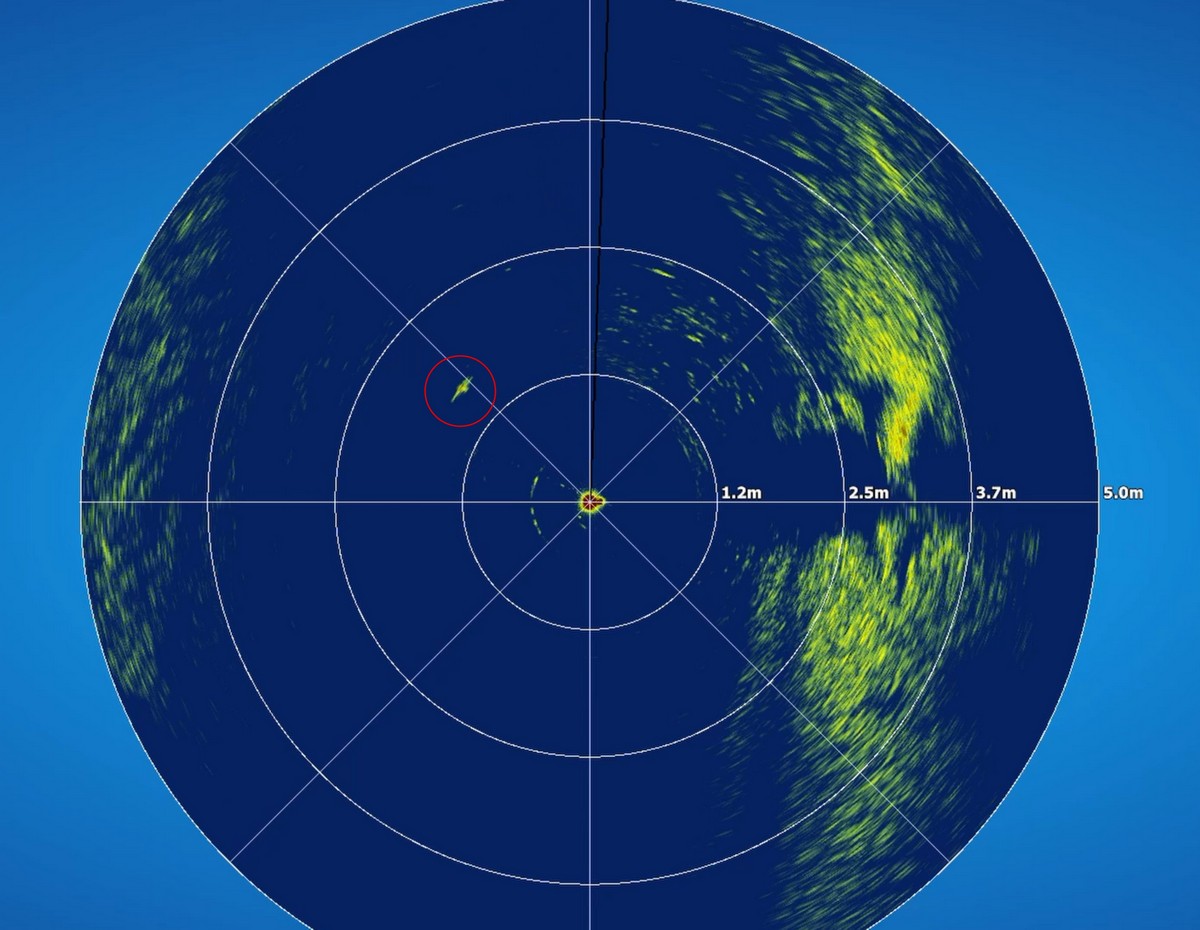
3. Extended applications for threat assessments for endangered species and habitats.

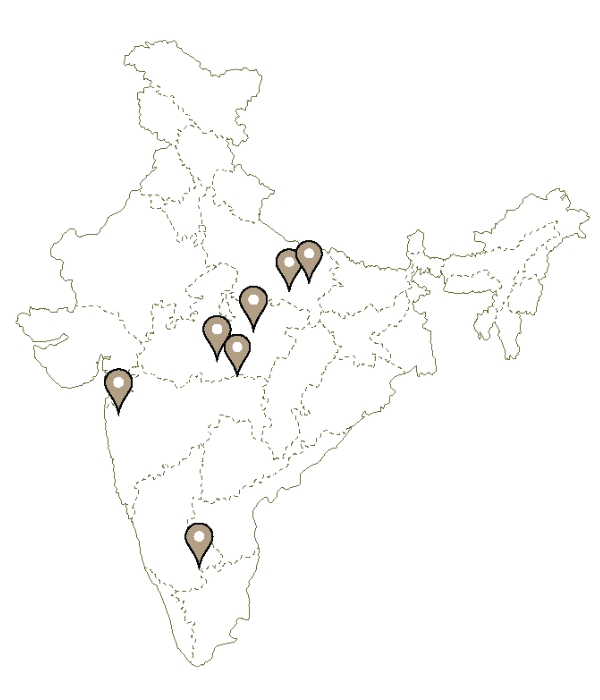
Location
Multiple sites across India
Vision
To develop low-cost, open-source, replicable, and customised applications and tools for sustainable conservation impact.
Conservation Challenge
Primary barriers to adoption of cutting-edge technology in effective monitoring:
- high costs
- lack of technical skill and human resource
- limited institutional capacity in Forest Departments
Innovative, tech-based solutions can contribute towards solving a wide range of conservation issues and challenges such as:
- aquatic wildlife getting caught in fishing nets as bycatch
- wildlife mortalities on railway lines due to collisions with trains
- inability to monitor animals underwater due to poor visibility in freshwater bodies
Your donations support our on-ground operations, helping us meet our conservation goals.