

Pangolin Conservation & Rehabilitation
Pangolin Conservation & Rehabilitation
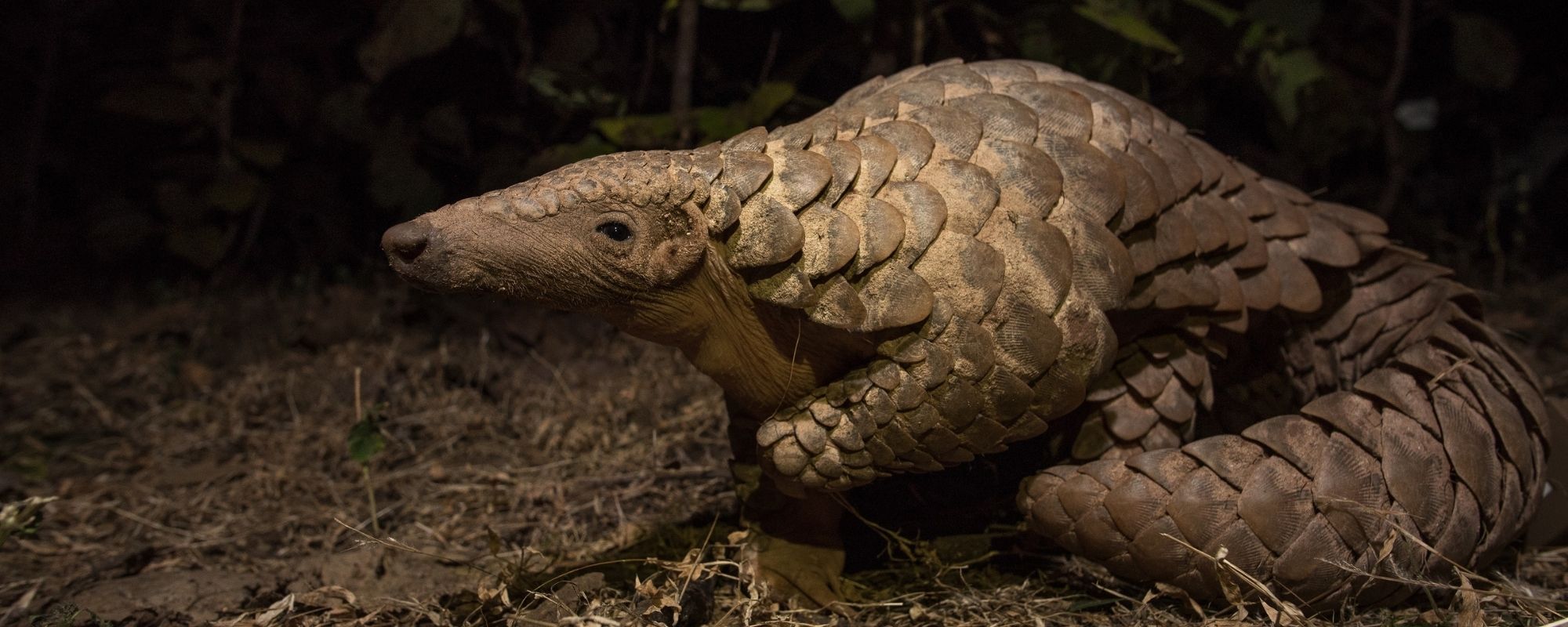
Pangolins are the most trafficked mammals on Earth. An unknown but large number of pangolins are killed for their scales and meat globally. In India too, despite stringent protective measures, live pangolins or their scales are being trafficked each year either for domestic consumption or international trade.
There is a dearth of information on pangolin behaviour and habitat preferences owing to its elusive, shy nature and nocturnal lifestyle. To develop an effective conservation strategy and to measure the efficacy of any intervention, it is critical to know the ecology of the species. Hence, WCT, in collaboration with the Madhya Pradesh Forest Department, has begun work to understand the ecology of the Indian pangolin (Manis crassicaudata) and the key factors which govern its presence and habitat use.
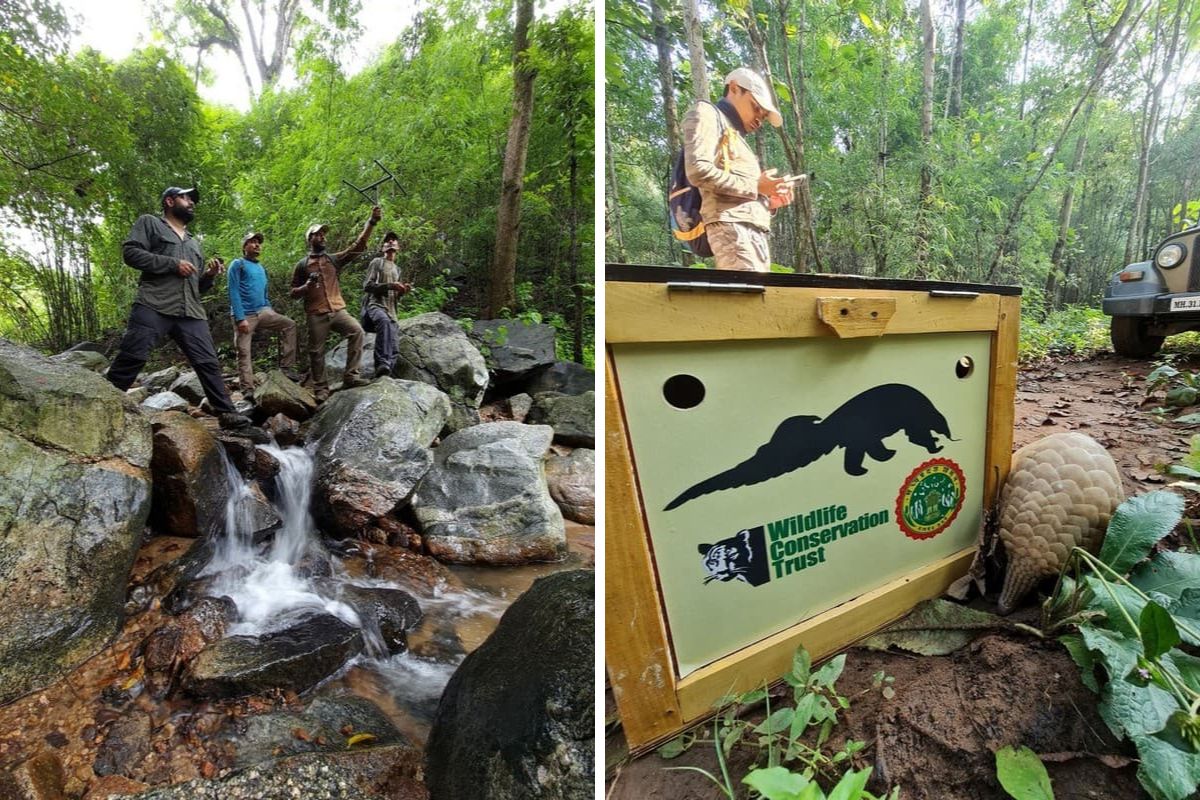
WCT research team monitoring a released Indian pangolin in the field (left). A pangolin shifted to the release site in a specially-designed transportation box (right). Photo credit: WCT.
Data collected through this project will help improve the efficacy of forest staff in detecting pangolins in the wild and aid in the development of robust protective measures. WCT is using radio telemetry and enlisting the help of its trained conservation dogs to gather data on this elusive nocturnal mammal. The project will also lead to the development of an effective rehabilitation plan for rescued pangolins. To this end, WCT has designed specialised transportation boxes exclusively to transport rescued/confiscated pangolins and has donated them to the Madhya Pradesh Forest Department.
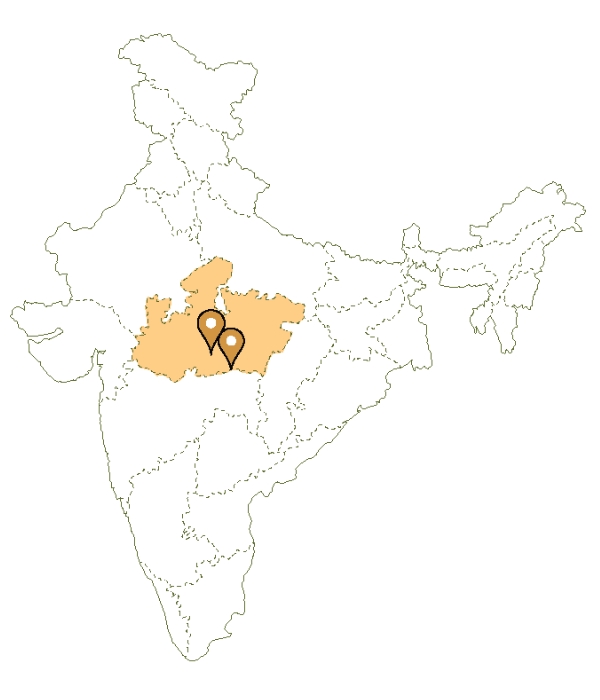
Location
Satpura and Pench Tiger Reserves, Madhya Pradesh
Vision
To understand the ecology of the Indian pangolin (Manis crossicoudoto) and develop an effective rehabilitation plan for the rescued/confiscated individuals to ensure better survival rates in the wild.
Conservation Challenge
1) Most trafficked mammals on Earth.
2) International demand for scales.
3) Only a fraction of the raids are successful.
4) Most illegal consignments elude the attention of enforcement agencies.
5) 1,200 Pangolins found to be illegally traded in India between 2018-2022.
6) Subsistence hunting for meat.
7) Globally, the death rate among released pangolins is as high as 50%
8) 50% estimated decline in global Indian pangolin population in the next 15-16 years.
9) Very little information available on the behaviour and ecology of the Indian pangolin.
Your donations support our on-ground operations, helping us meet our conservation goals.