
Man’s Best Friend: Sniffer Dogs Aid in Pangolin Conservation
A tale of human-canine collaboration to save India’s elusive mammal
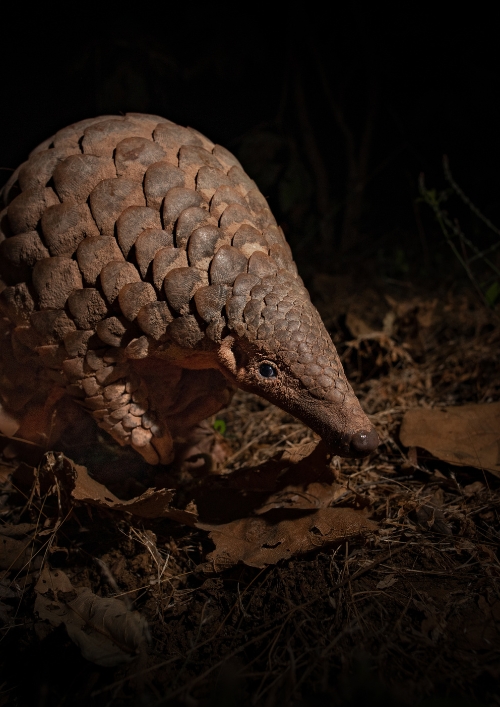
The Indian pangolin, a shy and nocturnal creature, is facing an urgent crisis. Poaching and illegal trafficking have pushed this elusive mammal to the brink. To combat this threat, a unique partnership has emerged, one that combines human ingenuity with canine instinct.
The Conservation Canines
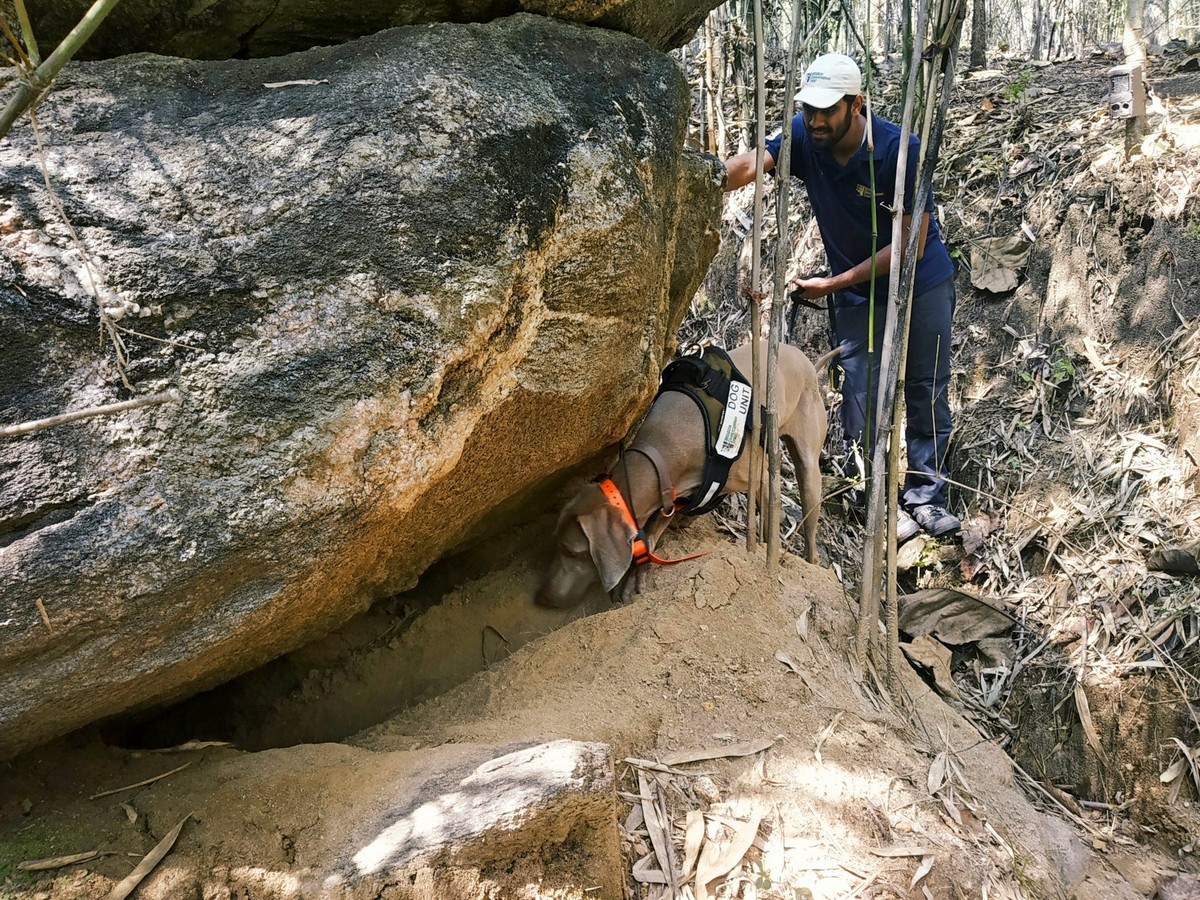
WCT, in collaboration with the Madhya Pradesh Forest Department, has taken the lead in unravelling the secrets of the Indian pangolin and rehabilitating pangolins rescued from poachers. Their secret weapon? A specialised team of conservation dogs! These highly trained dogs, with their keen sense of smell, can detect the scent of pangolins. These dogs help researchers detect pangolin burrows in the wild, potentially ones that are empty and not in use.
A Tech-Savvy Approach
Once the dogs help identify suitable burrows, camera traps are deployed to monitor the area. This helps researchers determine if a burrow is currently occupied by wild pangolins. If not, it becomes a potential release site for a rescued pangolin.
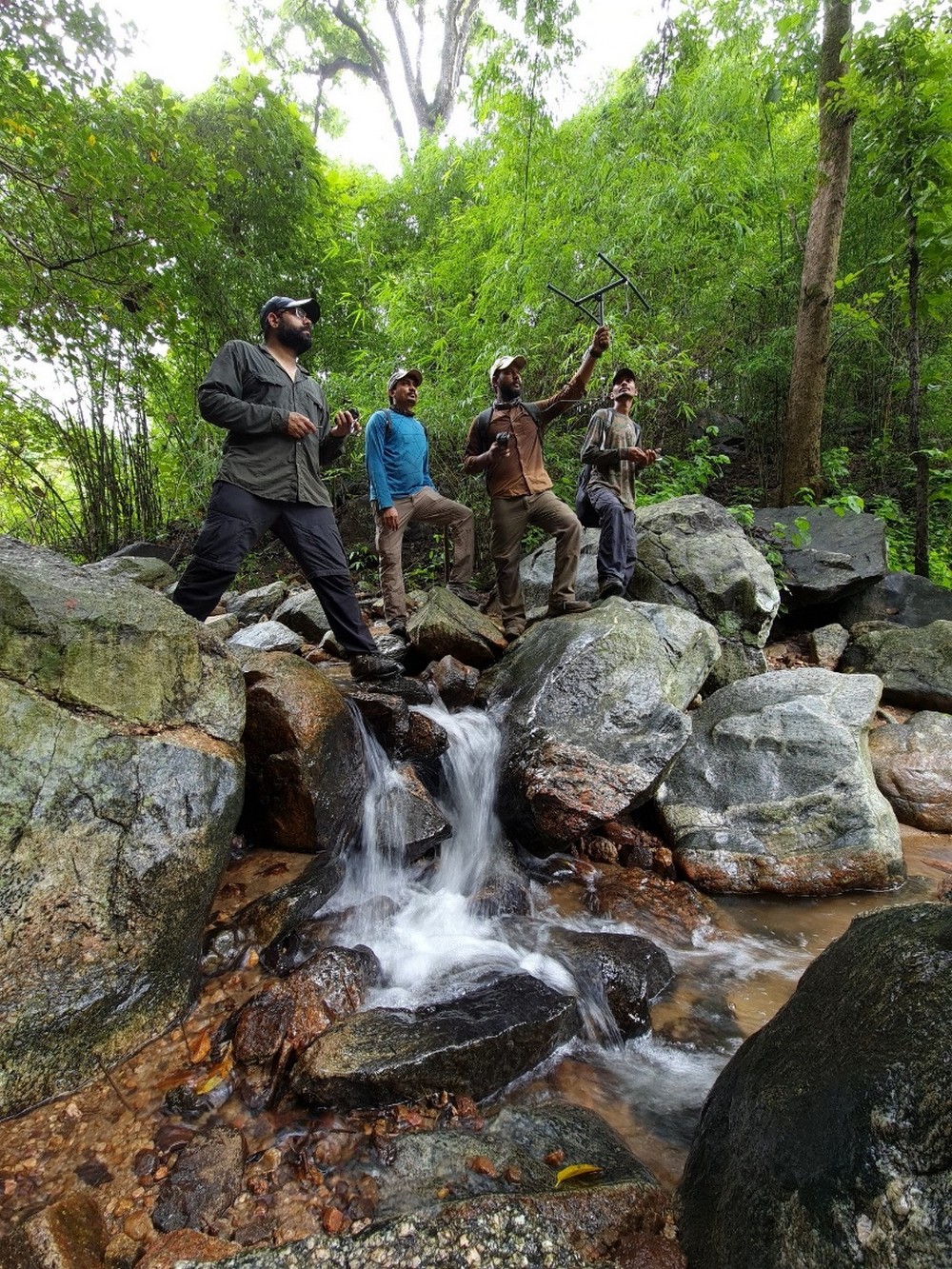
Their unerring olfactory senses also help the researchers track and monitor released pangolins. To track the released pangolins, researchers attach radio-tags on them before release.
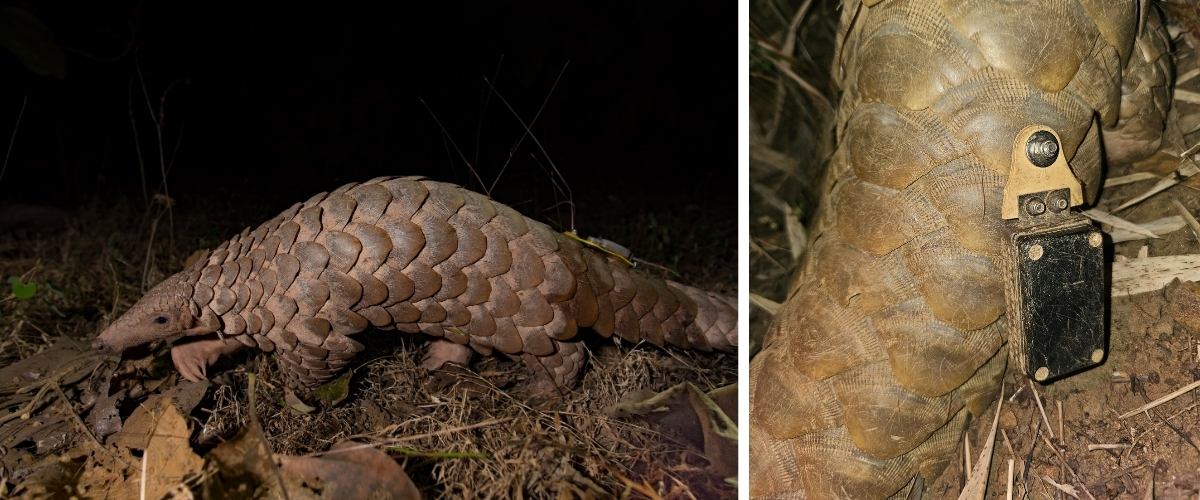
These radio tags emit signals that can be detected by receivers, allowing scientists to monitor the animals’ movements to ensure that the released pangolins are adapting and settling well in their new territories. This improves pangolins’ survival rate upon release. Here too, the conservation dogs’ skills prove invaluable for tracking radio-tagged pangolins, saving the field team time, effort, and energy.
A Success Story
The innovative approach, combining cutting-edge technology with the natural abilities of dogs, has yielded remarkable results. The team has thus far successfully rehabilitated at least 15 pangolins that were rescued or confiscated from traders by the Madhya Pradesh Forest Department, and released them in the wild in the Pench and Satpura Tiger Reserves.
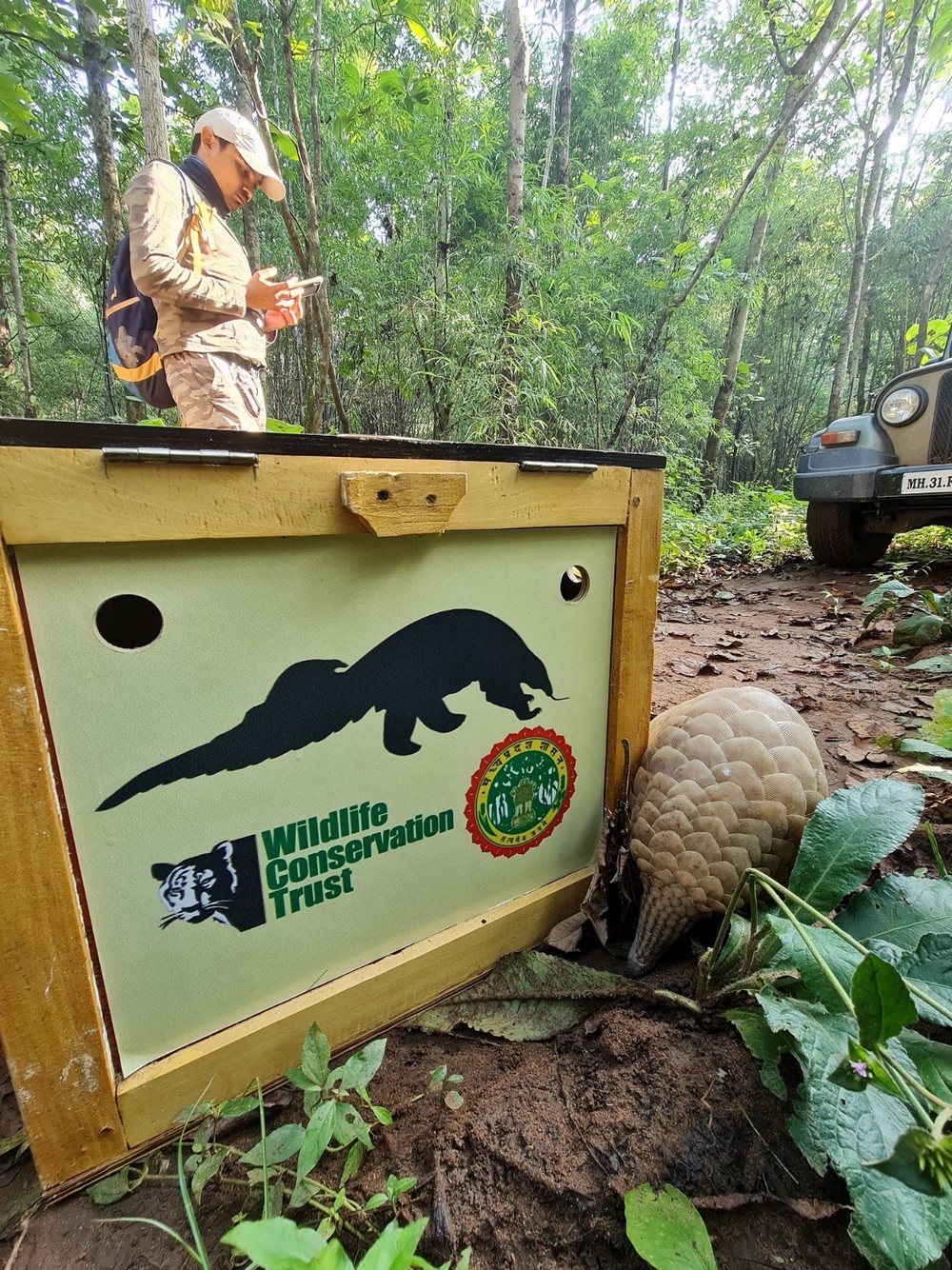
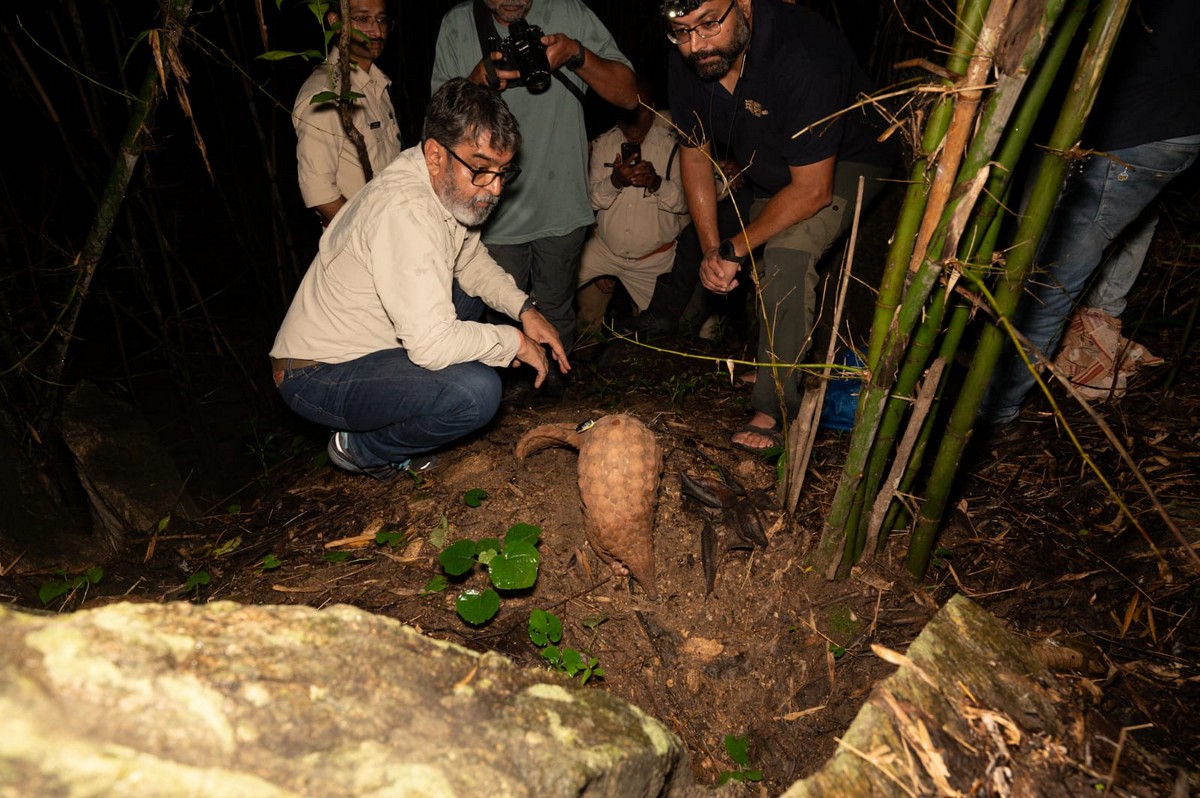
A significant milestone has been achieved with five of the 10 rehabilitated females successfully producing an offspring each. This is a testament to the effectiveness of the rehabilitation programme and a beacon of hope for the future of the species.
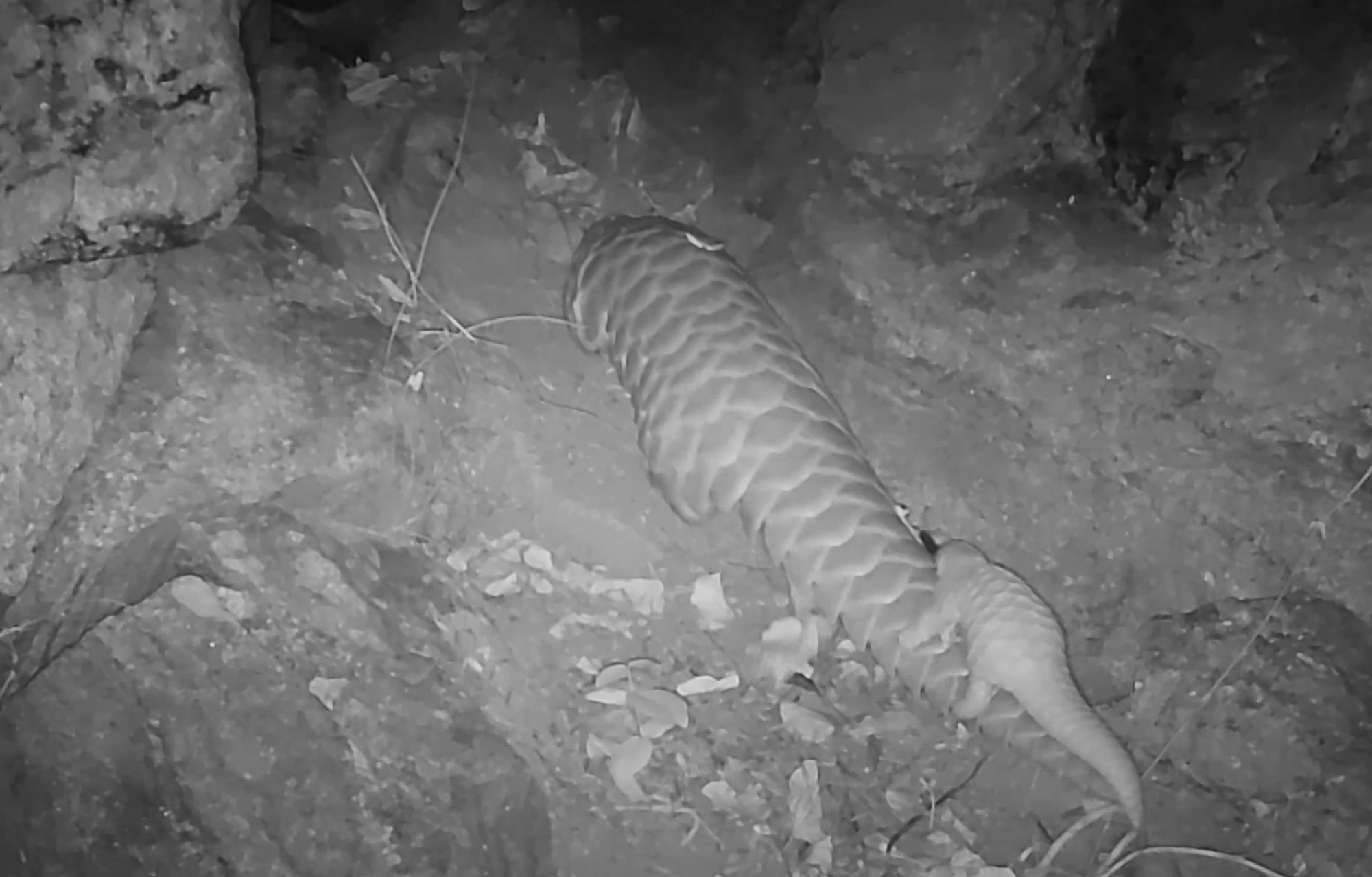
This success story highlights the power of human-animal collaboration and the importance of innovative conservation strategies. By understanding the ecology of the Indian pangolin and employing cutting-edge techniques, we can surely work towards securing a brighter future for this enigmatic and highly endangered species.
About the Author

Yogi Ramachandran
Yogi Ramachandran is a website developer with a passion for wildlife conservation. Leveraging his experience in online marketing, he actively contributes to WCT’s digital initiatives, including content creation, website development, and maintenance.
Disclaimer: The author is associated with Wildlife Conservation Trust. The views and opinions expressed in the article are his own and do not necessarily reflect the views and opinions of Wildlife Conservation Trust.
Your donations support our on-ground operations, helping us meet our conservation goals.